Last updated November 21, 2026
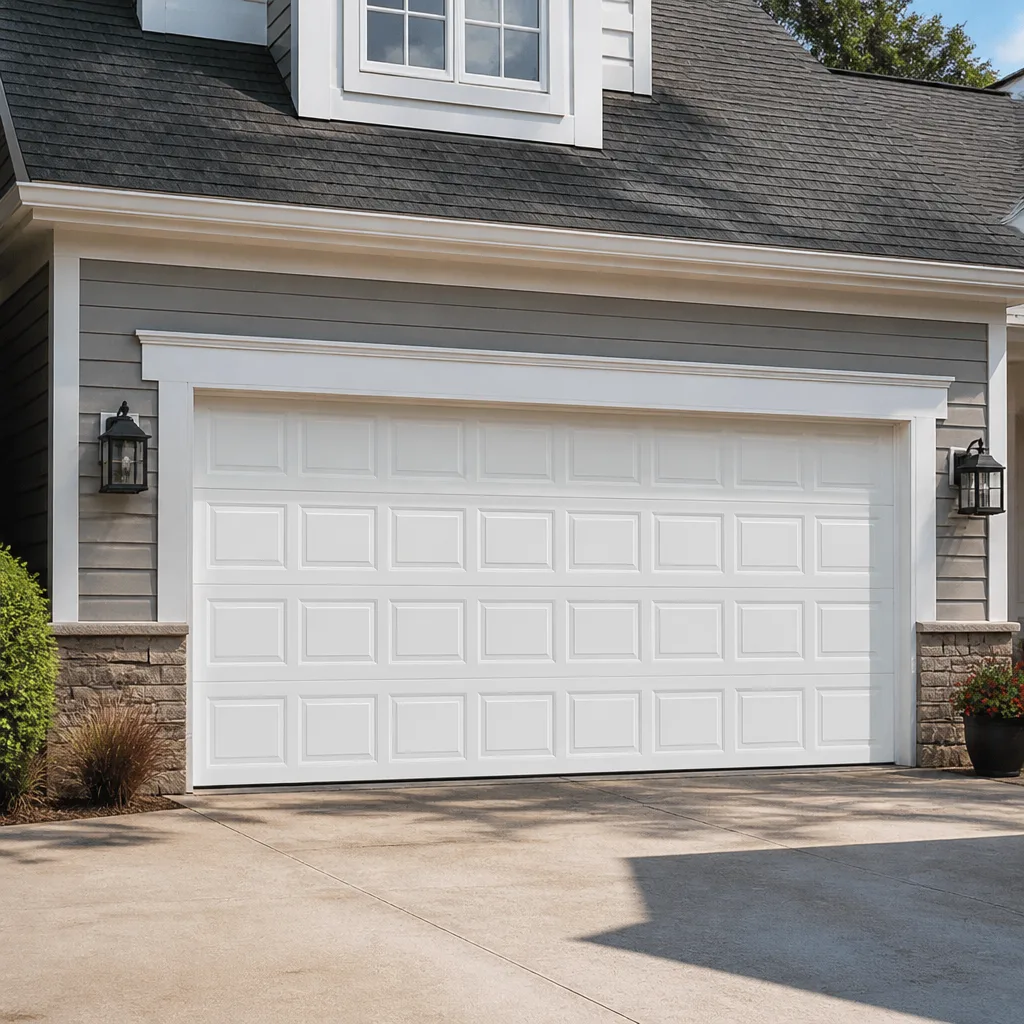 Raised-panel steel
 Carriage house
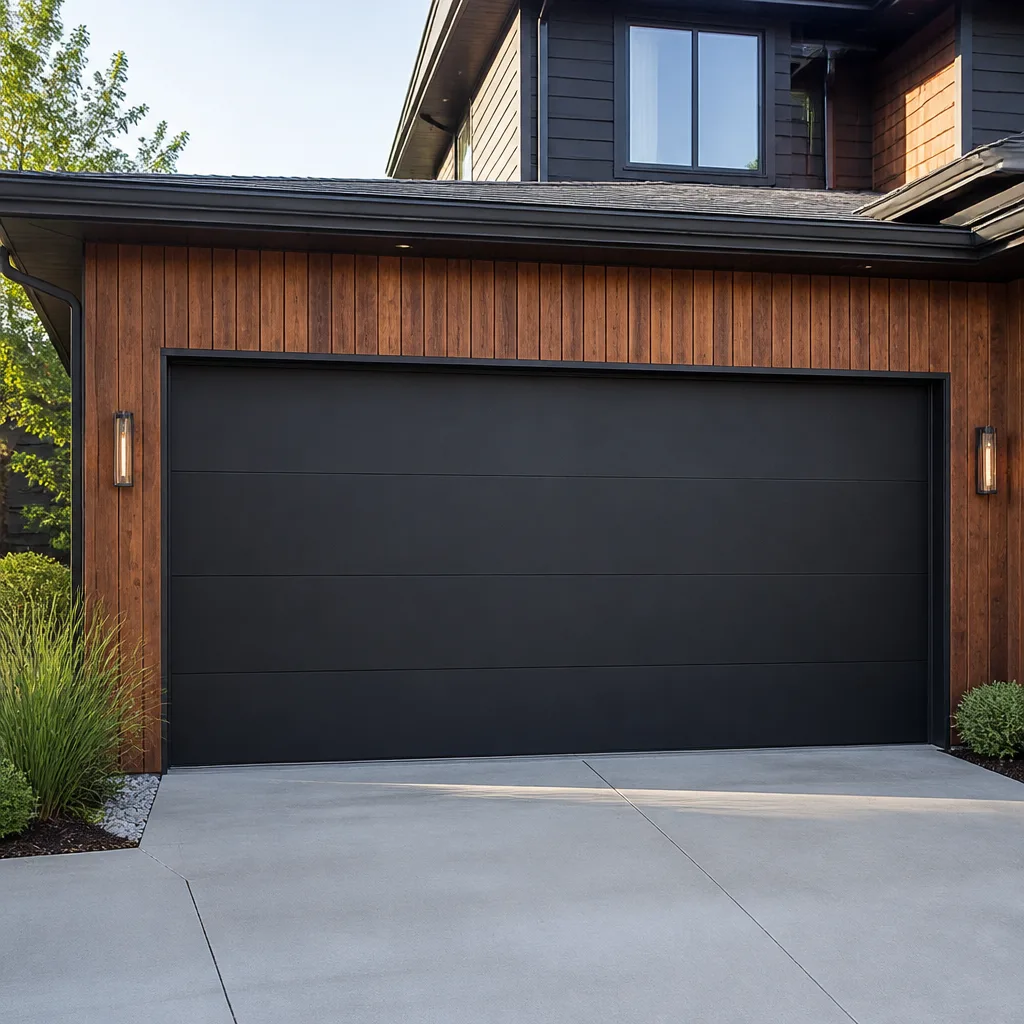 Modern flush
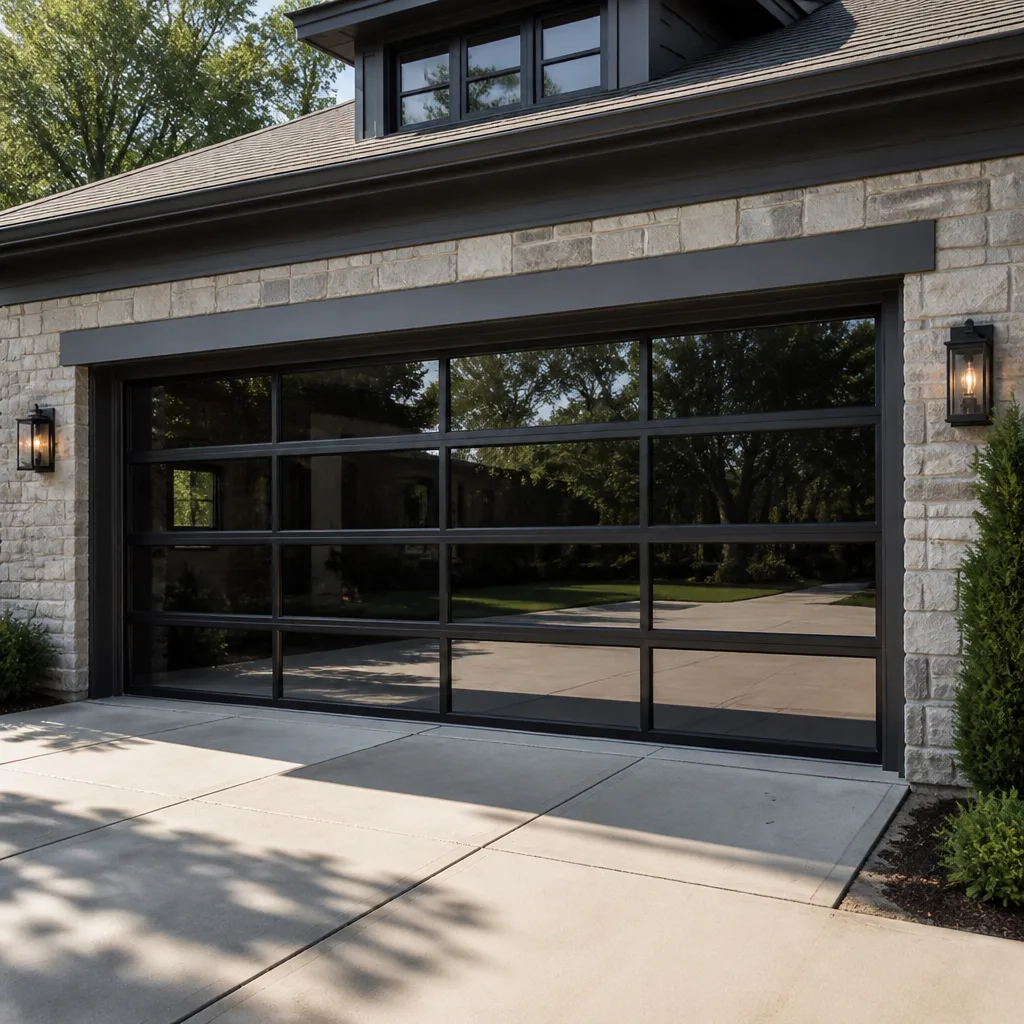 Full-view glass
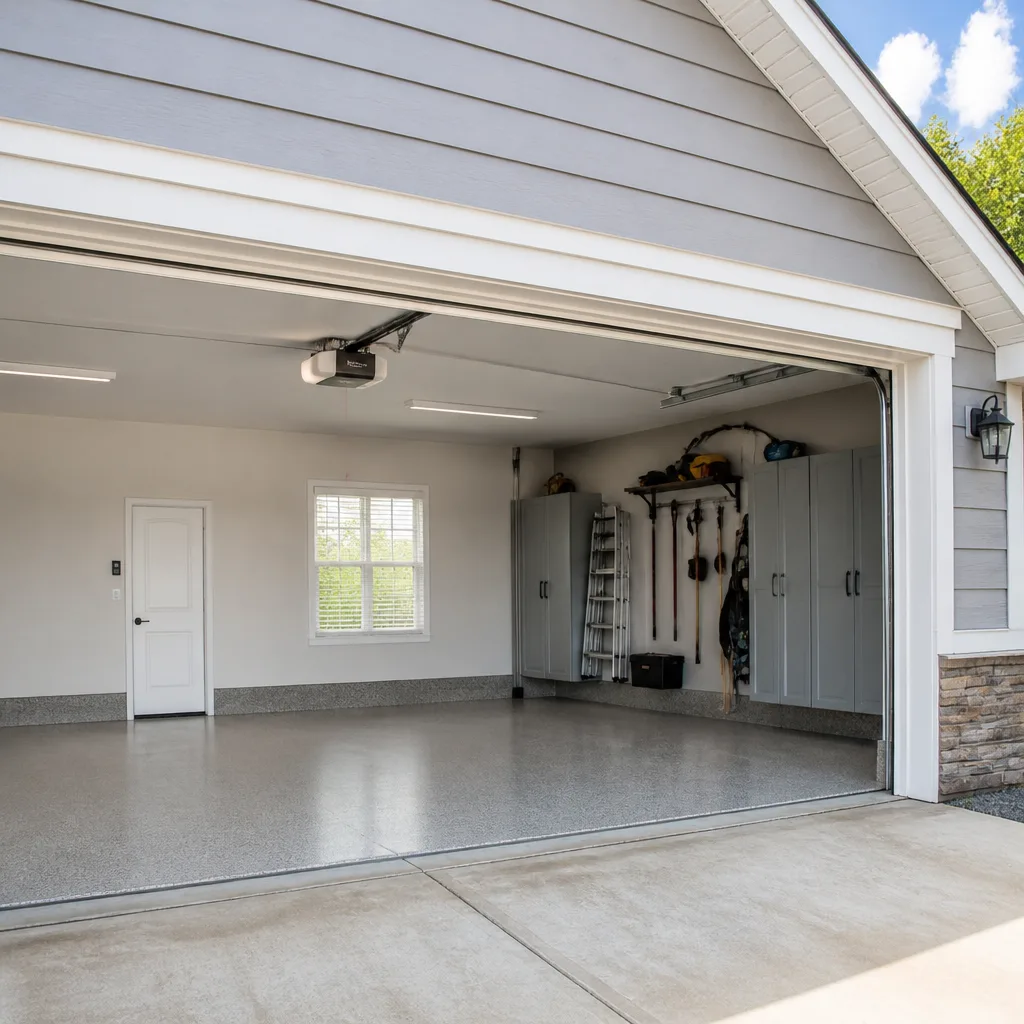 LiftMaster openers
 Chamberlain openers
Full 25-point door and opener safety check with every visit - springs, cables, rollers, tracks, and your LiftMaster or Chamberlain opener included
You get a price before we start. It does not change when the pro arrives.
Get your free estimateGarage Door Repair Maintenance Checklist for Ellicott City Homeowners
Most garage door maintenance advice stops at “lubricate the springs and tighten the bolts,” which leaves you with no way to know whether your door is actually in good shape or quietly heading toward a failure. The gap between a door that’s been “serviced” and one that snaps a torsion spring is usually a single inspection point that nobody measured. This guide changes that. Instead of vague suggestions, you get specific pass/fail thresholds: how much vertical play a roller can have before it needs replacing, how thin a cable can get before it’s a hazard, and how wide a gap in a torsion spring has to be before you stop using the door. We’ll also cover which tasks are safe to handle yourself, which ones carry real injury risk even for a handy homeowner, and how to time maintenance to Ellicott City’s actual weather rather than a generic “spring and fall” calendar.
Styles & brands we work with
- Raised-panel steel
- Carriage house
- Modern flush
- Full-view glass
- LiftMaster openers
- Chamberlain openers
Quick Answer
A garage door maintenance checklist for Ellicott City homeowners should cover monthly visual and balance checks, quarterly lubrication and hardware tightening, and an annual inspection of springs, cables, and rollers using specific measurements rather than guesswork. The three failure thresholds that matter most: more than 1/8 inch of vertical play in a roller, a cable thinner than 1/8 inch at any visible point, and any visible gap in a torsion spring all mean stop using the door and call a technician. Everything else on this checklist is safe to handle yourself; springs, cables, and the auto-reverse force test are where you call a professional.
Table of Contents
- Why a Measure-Based Checklist Beats a Touch-Based One
- Monthly Checks You Can Do in Five Minutes
- The Three Measurements That Signal Real Trouble
- What’s DIY-Safe and What Isn’t
- How to Test Auto-Reverse Force Without Special Equipment
- Seasonal Timing That Fits Ellicott City Weather
- What to Document So a Technician Can Diagnose Faster
- Brand-Specific Behavior Worth Knowing
- Common Mistakes to Avoid
- When to Call a Professional
- Frequently Asked Questions
- The Bottom Line
Why a Measure-Based Checklist Beats a Touch-Based One
Most homeowners who say their door “seems fine” are judging by sound and by whether it opens. That’s a reasonable starting point, but it misses the failures that happen with almost no warning. A torsion spring that’s been slowly losing tension, a cable that’s fraying one strand at a time, a roller that’s developed just enough play to jump the track – none of these announce themselves until the door stops working, often at the worst moment.
What makes a checklist genuinely useful is a number attached to each item. “Check the rollers” is not actionable. “Check each roller for more than 1/8 inch of vertical play when you push up on it” is. The measurement turns a judgment call into a clear pass or fail that you don’t have to guess at.
In our experience working on doors across Ellicott City, the failure that surprises homeowners most is a torsion spring that looked fine on the last inspection. Springs don’t visibly crack until they’re close to snapping, and by the time you can see a gap, you’re past the maintenance stage and into the repair stage. That’s why the measurement matters more than the visual scan. The checklist below is built around that principle: what to measure, what number means stop, and what number means you’re fine.
If you already need Ellicott City Garage Door Repair Pros rather than a maintenance routine, that’s a different call, but even a repair starts with the same information. Knowing your door’s measurements and history makes every conversation with a technician faster and more accurate.
Monthly Checks You Can Do in Five Minutes
These are the quick, safe inspections to run once a month, ideally the same day each month so you don’t forget. None of them require tools beyond your hands and eyes, and none involve touching spring or cable tension.
- Listen for new sounds. A door that’s been quiet and suddenly starts groaning, squealing, or popping has changed. Note whether the sound happens at the start of travel, the middle, or the end.
- Watch the door travel. Stand back and watch the full open and close cycle. Look for any spot where the door hesitates, jerks, or shifts sideways. A door that moves smoothly one month and stutters the next has a mechanical issue developing.
- Check the weather seal. Run your hand along the bottom seal and the side seals. Brittle, cracked, or separated seals let water and cold air in, and they’re the cheapest fix on this list.
- Look for loose bolts. The hinge plates and roller brackets are held by bolts that vibrate loose over time. Hand-check them; a bolt you can turn with your fingers needs tightening.
- Clear the tracks by eye. Look down each track for visible debris, grit, or a bend. Don’t reach into the moving parts; just look.
- Test the safety sensors. Wave an object through the beam while the door is closing. The door should reverse immediately. If it doesn’t, stop using the door until it’s fixed.
These six checks will catch the majority of developing problems before they become emergency calls. A loose hinge bolt, caught early, is a five-minute fix. The same bolt, left alone, can stress a panel or a roller until the door comes off its track.
The Three Measurements That Signal Real Trouble
This is the core of the guide. These three measurements are the difference between “I serviced my door” and “I know my door is safe.” Each one has a clear pass/fail line, and each fail means stop using the door and call a technician rather than continue routine maintenance.
1. Roller Play: 1/8 inch
Push up on the bottom edge of each roller with your fingers. A roller in good condition should feel solid with almost no vertical movement. If the roller lifts more than 1/8 inch before it stops, its bearing has worn and it’s time to replace it. Worn rollers are the most common cause of a door that jumps its track, and they’re one of the cheapest parts on the door to replace. Using a door with rollers over the 1/8 inch threshold stresses the track and the hinges, turning a small job into a bigger one. Never push up on a roller while the door is moving.
2. Cable Thickness: 1/8 inch, and No Fraying at All
Look at each of the two cables at the bottom corners of the door. A cable in good condition should measure about 1/8 inch in diameter and be uniformly smooth along its visible length. Any of the following means the cable needs replacement, and the door should stay closed until it’s done:
- Visible broken strands, even a single strand sticking out
- A diameter visibly thinner than the rest of the cable at any point
- Kinks, or a section that’s been bent and can’t straighten
- Rust that has pitted the surface
Cables are under extreme tension and can whip if they fail. Don’t try to remove or adjust a cable yourself. Call a professional. If you’ve already noticed a problem, garage door repair can address it before the cable fails completely.
3. Spring Gap: Any Visible Gap Means Stop
Torsion springs are wound tight along the horizontal shaft above the door. A spring in good condition shows no gap between the coils. If you see any separation between two coils, the spring has lost integrity and is likely close to snapping. That gap is the single most reliable sign that a spring is about to fail.
Do not wind, adjust, or attempt to replace a torsion spring yourself. The springs on a residential door hold the weight of the entire door, and the energy released when one fails is enough to cause serious injury. Spring work is one of the highest-risk calls on any garage door, and it should go to a trained technician. Our garage door spring repair service exists because this is one of the most commonly mishandled jobs in the trade. When you see a gap, stop using the door and call.
What’s DIY-Safe and What Isn’t
One of the most useful things this checklist can do is draw a clear line. Some maintenance genuinely belongs in your hands. Other tasks carry injury risk even for a competent, careful homeowner, and being honest about that distinction is what keeps you safe.
Safe for a homeowner to do
- Visual inspection of the entire door, tracks, and opener
- Lubricating hinges, rollers, and the opener rail (not the springs)
- Wiping down tracks with a clean cloth
- Tightening loose hinge and bracket bolts
- Cleaning and inspecting the weather seal
- Testing the safety sensors and balance of the door
- Cleaning the photo-eye lenses
Not DIY-safe – call a professional
- Anything involving the torsion or extension springs, including adjusting tension
- Removing or replacing cables
- Adjusting the opener’s force or limit settings beyond what the manual covers
- Working on the electrical panel or wiring for the opener
- Straightening a bent track rather than replacing a visibly damaged section
- Replacing a section or panel of the door itself
If a job is on the second list, the right move is to stop and call, even if the door still opens. A door that works today can become a hazard on the next cycle if a component is compromised. That’s the whole point of the measurement thresholds above – they give you a clear stop sign before the problem becomes urgent.
How to Test Auto-Reverse Force Without Special Equipment
The auto-reverse safety system is the most important safety feature on your garage door, and you can test whether it’s working correctly with a 2×4 scrap and a bathroom scale. The test has two parts: the contact reverse and the force sensitivity.
First, the contact test. Lay a 2×4 block flat on the ground in the middle of the door opening. Close the door with the wall control or remote. If the door reverses when it meets the block, the contact reverse is working. If the door stalls on top of the block without reversing, that’s a real safety failure and the door shouldn’t be used until it’s fixed.
Second, the force sensitivity test. With the door in the fully open position, stand on a bathroom scale directly under the middle of the door and close it using the control. The scale should register roughly the door’s contact force in pounds before the door reverses and returns to open. If the force reads high, or the door doesn’t reverse at all, the opener’s force setting is too strong – a dangerous condition because it means the door will keep pushing down on an obstacle. Don’t adjust the force setting blindly; a technician can set it correctly for the door’s weight, and the fix is often a worn spring rather than the opener itself.
Safety note: always keep the 2×4 between you and the door, and doing this test on a door that hesitates or grinds is where you stop testing and start calling. Our garage door opener repair handles the force and limit settings as a normal part of any safety inspection.
Seasonal Timing That Fits Ellicott City Weather
Generic advice says “maintenance in spring and fall.” That’s fine as a placeholder, but it doesn’t reflect what actually drives wear here. Ellicott City sees hot, humid summers and winters with freeze-thaw cycles, and each season stresses a different part of the door.
Late fall – before the first hard freeze
This is the most important window of the year. Do a full inspection before winter because the freeze-thaw transitions in Ellicott City cause wood components to swell and shrink, warping door panels and stressing hinges. Check the weather seal while it’s still flexible, lubricate the moving parts, and test the balance of the door. A door that’s slightly off-balance in October will strain the opener all winter.
Spring – after the last freeze
Spring is the time to look for damage the winter left behind: rust on hinges and rollers, cracks in the weather seal, and any hinge that’s loosened from the seasonal movement. This is also the best time to test the auto-reverse system, because the contact and force settings can drift as parts wear.
Summer – before the humid stretch
Maryland’s humidity can make wooden door panels swell and stick into the frame, which stresses the opener. Check that the door fits its frame without binding, and be ready to look at the opener if it starts straining.
Monthly – year-round
The five-minute checks above should run every month regardless of season. The climate-driven inspections are added to the monthly routine, not a substitute for it.
Every seasonal window is also a good time to call for a free estimate if you notice anything on the measurement thresholds. A small issue caught before winter usually turns into a small repair.
What to Document So a Technician Can Diagnose Faster
When a door starts misbehaving, the quality of information you can hand a technician determines how quickly the visit solves the problem. Most homeowners call with “it’s making a noise” and nothing else, which means the first visit is often part detective work. A little documentation on your end skips that step.
- Take a photo of the door open and a photo of the door closed. Note the season, and date the photos. A photo of the springs and the opener gives the technician a clear starting point.
- Write down the brand and model numbers. The opener brand matters as much as the door brand. If your door is a Clopay, LiftMaster, Genie, or Chamberlain setup, the model number tells a technician which parts and settings apply – that’s the brand-specific diagnostic work we do, and it’s why knowing your equipment matters.
- Keep a small log. Date, what you did, what you noticed. A line that says “noticed a small gap in the spring on the left, called technician” is worth ten seconds of work and saves a lot of back-and-forth.
- Note the balance of the door. When the door is halfway up and you pull the red release cord to disconnect it from the opener, does it stay put or drift down on its own? That answer tells a technician a lot about the spring health before anyone touches a tool.
- Describe the symptoms in words. “Grinds at the top third on the way down” is more useful than “it sounds bad.” Note the direction of travel and the position of the door when it happens.
None of this involves tools or risk. It’s just a record of what your door has been doing, and it makes an appointment faster and less expensive because the technician arrives with context rather than having to start from scratch.
Brand-Specific Behavior Worth Knowing
A door is a system, and its parts behave differently depending on who built them. We work with the brands our customers already have, which means we know which behaviors to look for before we see the door. Here’s what’s worth keeping in mind for the most widely installed brands in Ellicott City.
LiftMaster and Chamberlain openers
Both are common in this market, and both use similar logic boards and safety sensor systems. When a LiftMaster or Chamberlain opener stops reversing, the most common culprits are the safety sensor alignment and the limit settings rather than the motor. When it starts beeping, a chirp pattern is usually a battery or sensor fault code. Reading those codes correctly saves a lot of unnecessary part replacement.
Genie openers
Genie units tend to need their limit switches checked more often, and older models sometimes need the force setting reset after seasonal temperature changes. If a Genie opener reverses on its own and the tracks look clean, the limit switch is usually where the fix is.
Clopay and other wood or wood-look doors
A door panel that’s started to warp or delaminate is often a sign of moisture or a failing seal, not a structural failure. On a Clopay wood or wood-look door, the fix is usually the seal and the hinge hardware rather than the panel. Catching that before winter is the whole point of the late-fall inspection.
When a technician knows the brand, the diagnosis moves faster, the fix is right the first time, and you’re not paying for parts you didn’t need. That’s the case for a specialist rather than a general handyman on garage door work.
Common Mistakes to Avoid
- Lubricating the springs. Oil or silicone on a torsion spring attracts grit and hides a developing gap. Springs are inspected, not greased. Skip them when you’re lubricating the hinges and rollers.
- Tightening the cable. Cables are not adjustable. If a cable looks loose or frayed, the right move is a replacement, not a wrench. Leave it to a technician.
- Adjusting the opener force to “fix” a sticky door. If the door is binding, the problem is the door or the tracks, not the opener. Raising the force setting to push through the resistance makes the door more dangerous and can burn out the motor.
- Ignoring a slight gap in a torsion spring. That gap is the warning sign. It’s easy to overlook because the door still opens, but it’s the clearest predictor of a spring failure. Stop using the door when you see it.
- Using a generic grease on open tracks. Thick grease collects debris and grinds into the bearings. Use a proper roller and hinge lubricant and keep the tracks clean and dry.
- Replacing rollers one at a time as they fail. Rollers wear as a set. Replacing one already-worn roller with a new one puts uneven load on the door. Change the full set.
- Putting off the late-fall inspection. Ellicott City’s freeze-thaw cycles are hard on wood doors and hinge hardware. Skipping the pre-winter inspection is how small issues become January repair calls.
When to Call a Professional
Call a professional when any of the three measurement thresholds fails: a roller with more than 1/8 inch of play, a cable thinner than 1/8 inch or showing broken strands, or any visible gap in a torsion spring. Also call if the auto-reverse system fails either the 2×4 test or the force test, if the door comes off its track, if a panel is visibly bent or cracked, or if the opener is straining to lift a door that used to open easily. Beyond that, any work involving springs, cables, opener wiring, or force settings belongs in trained hands. Ellicott City Garage Door Repair Pros offers free estimates in Ellicott City – call (855) 840-2105 and describe what you’re seeing, and we’ll tell you what it likely means and what the repair involves, with the price quoted and agreed before any work starts.
Frequently Asked Questions
Once a year is the usual recommendation, ideally in late fall before the freeze-thaw season. That schedule catches spring and cable wear before winter, which is when Ellicott City doors see the most stress. Monthly self-checks fill the gaps between professional inspections, and anything that fails the measurement thresholds above is worth calling about right away rather than waiting for the annual visit.
Yes – the local professionals we connect you with are licensed and insured as their state requires. Our technicians have up to 11 years of experience, and they’re familiar with the eight major garage door and opener brands we work on, including LiftMaster, Chamberlain, Genie, Clopay, Amarr, Wayne Dalton, Craftsman, and Raynor. Call (855) 840-2105 for a free estimate.
Yes, emergency garage door service is a core offering for us, and we aim for same-day response for a door that’s stuck, off its track, or unsafe to use. Call (855) 840-2105 and describe the situation so we can prioritize it. If it’s a spring or cable failure, we’ll advise you to keep the door closed and not use it until a technician arrives.
No. We quote and agree the price before any work starts, so the written estimate sets the final price. Typical repairs depend on what fails; a spring replacement for one spring costs about what one spring costs, and a matched pair replaced together costs about twice that. Call (855) 840-2105 for an exact quote – estimates are free.
No. Lubricating the springs is on the “not DIY-safe” list because it hides a developing gap and encourages you to work near parts under extreme tension. You can safely lubricate the hinges and rollers, but leave the springs to a technician. If you see a gap, stop using the door and call (855) 840-2105.
Not always. A slow door is often a door problem that shows up as an opener problem: worn rollers, a failing spring, or a door that’s off its balance. That’s why we check the door’s balance and the three measurements before recommending opener parts. If the torque tube and springs are healthy, an opener that’s straining usually needs a limit or force setting checked rather than a new motor. Call (855) 840-2105 and we’ll diagnose whether the fix is opener repair or door repair.
The Bottom Line
A useful garage door maintenance checklist doesn’t just tell you what to touch; it tells you what to measure. Run the five-minute monthly checks, keep the late-fall inspection on your calendar, and know the three numbers that mean stop: more than 1/8 inch of roller play, a cable under 1/8 inch or frayed, and any visible torsion spring gap. Handle the safe tasks yourself – lubrication, bolts, seals, and sensor testing – and call a professional for springs, cables, opener adjustments, and anything that fails an auto-reverse test. Keep a small log of brand names, photos, and symptoms so a technician can diagnose faster. When something needs eyes on it, call Ellicott City Garage Door Repair Pros at (855) 840-2105 for a free estimate.
Written by the team at Ellicott City Garage Door Repair Pros.
See the difference
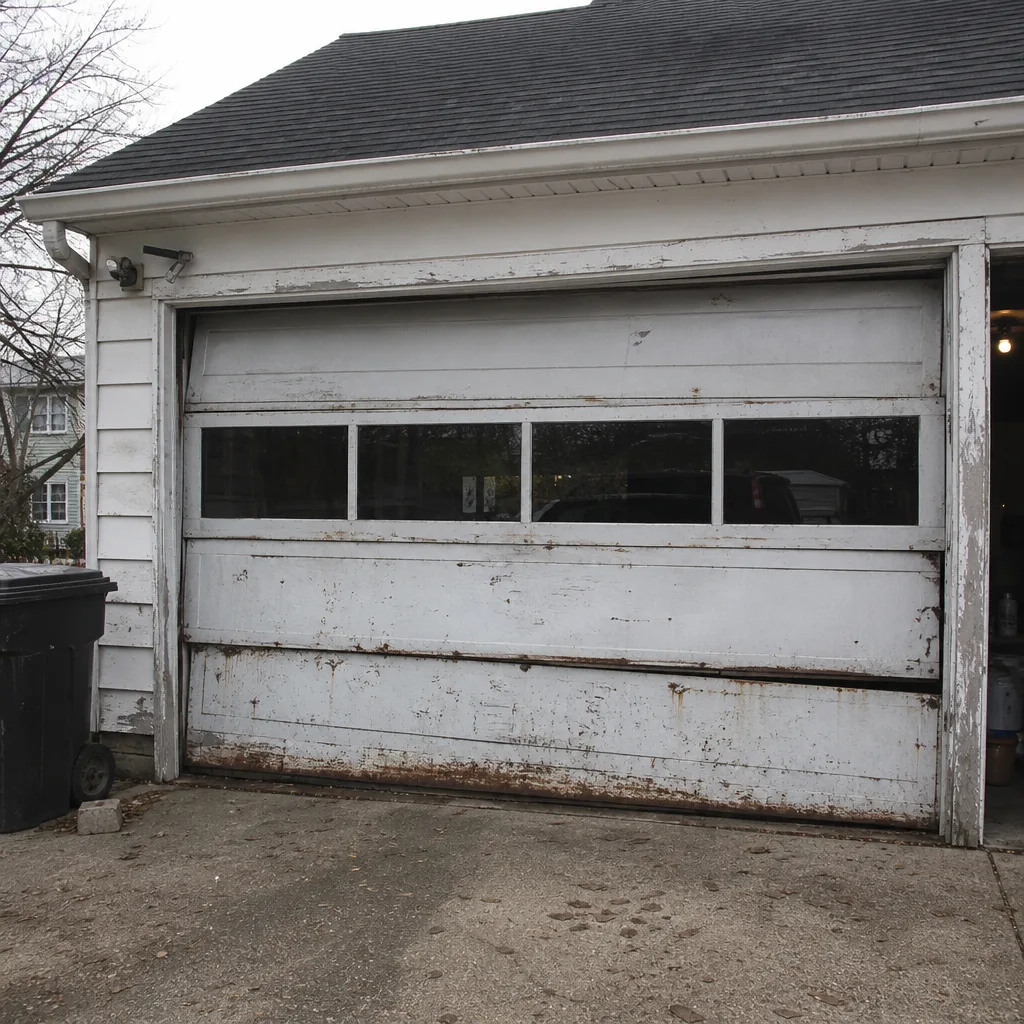 Before
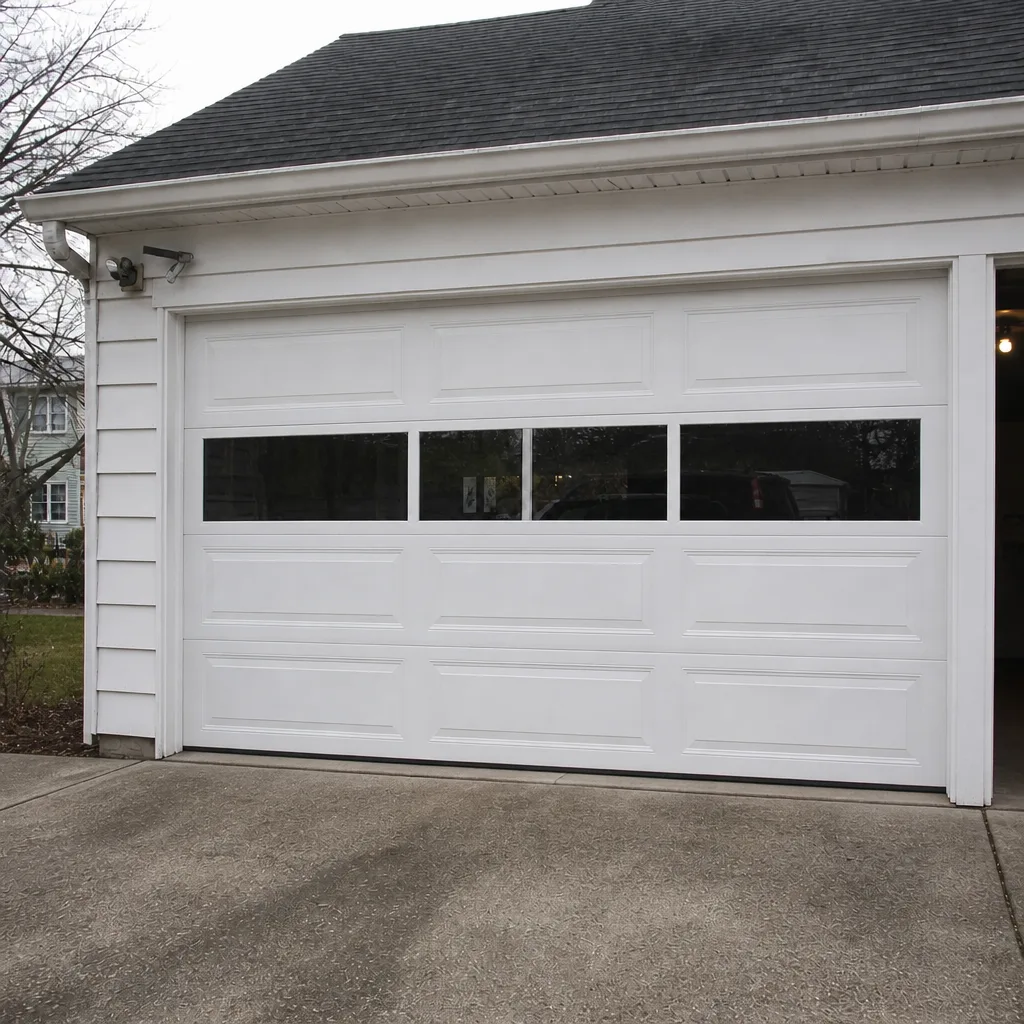 After
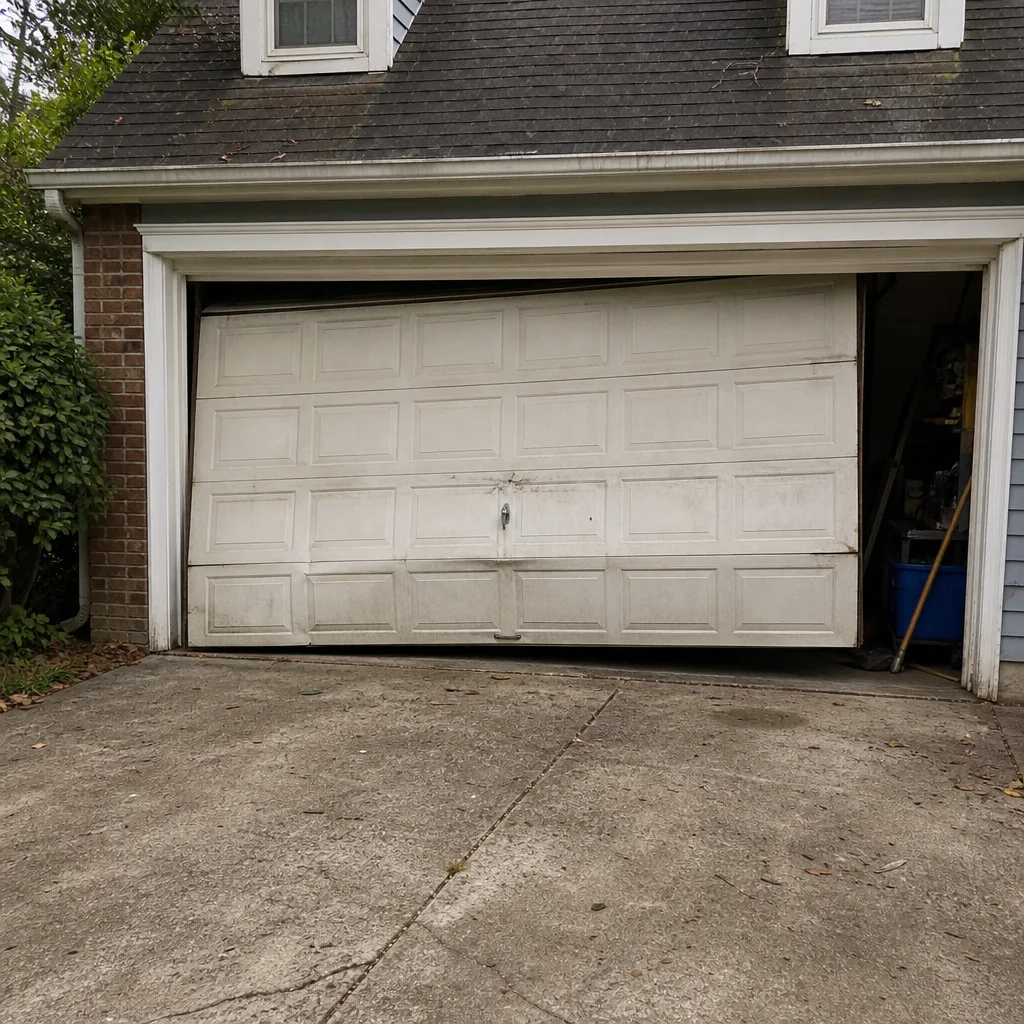 Before
 After
 Before
 After