Last updated November 21, 2026
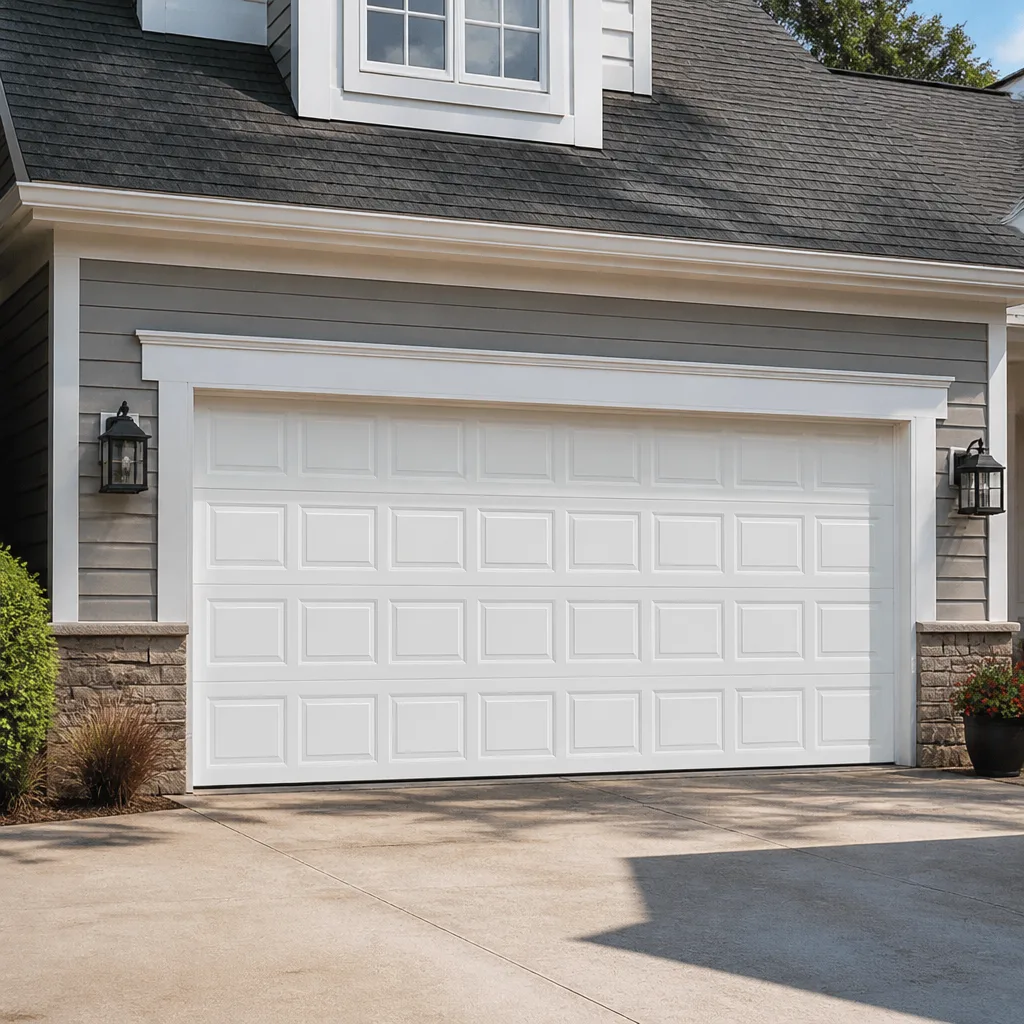 Raised-panel steel
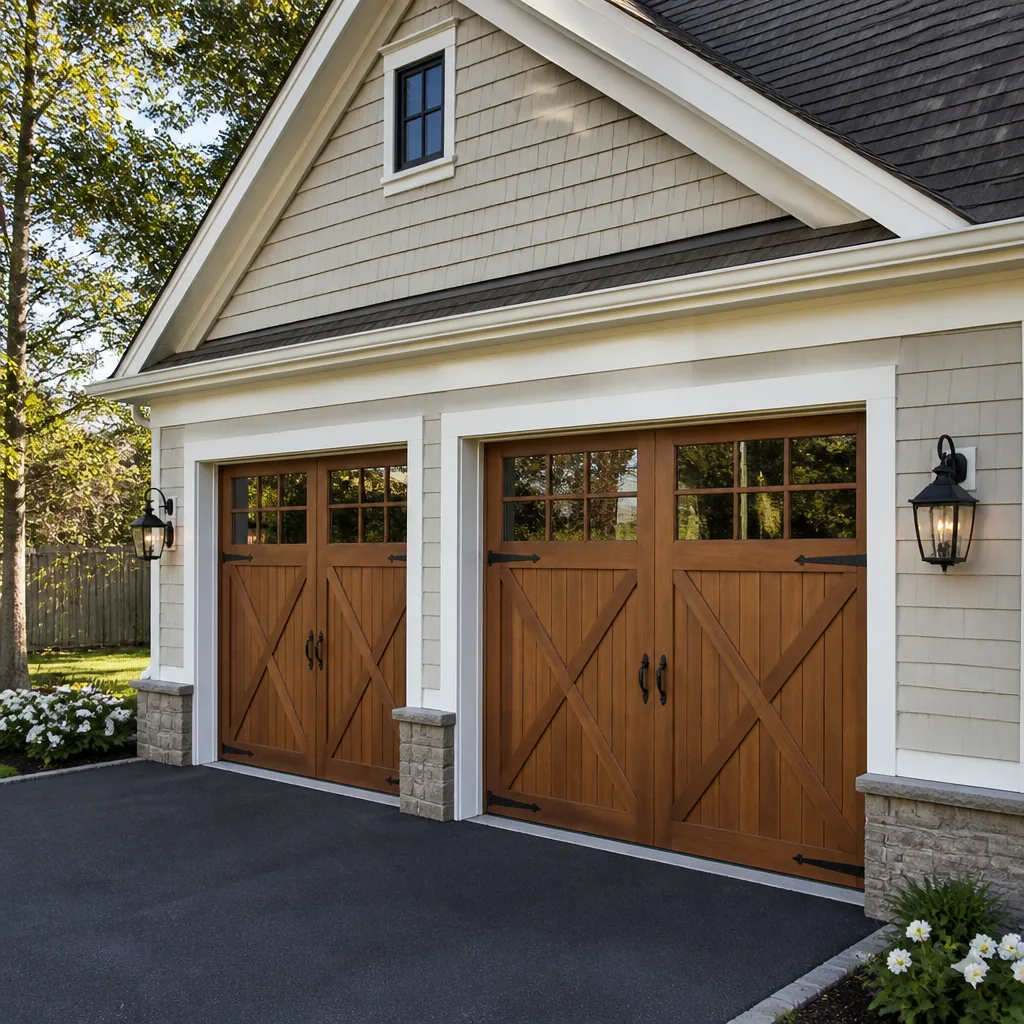 Carriage house
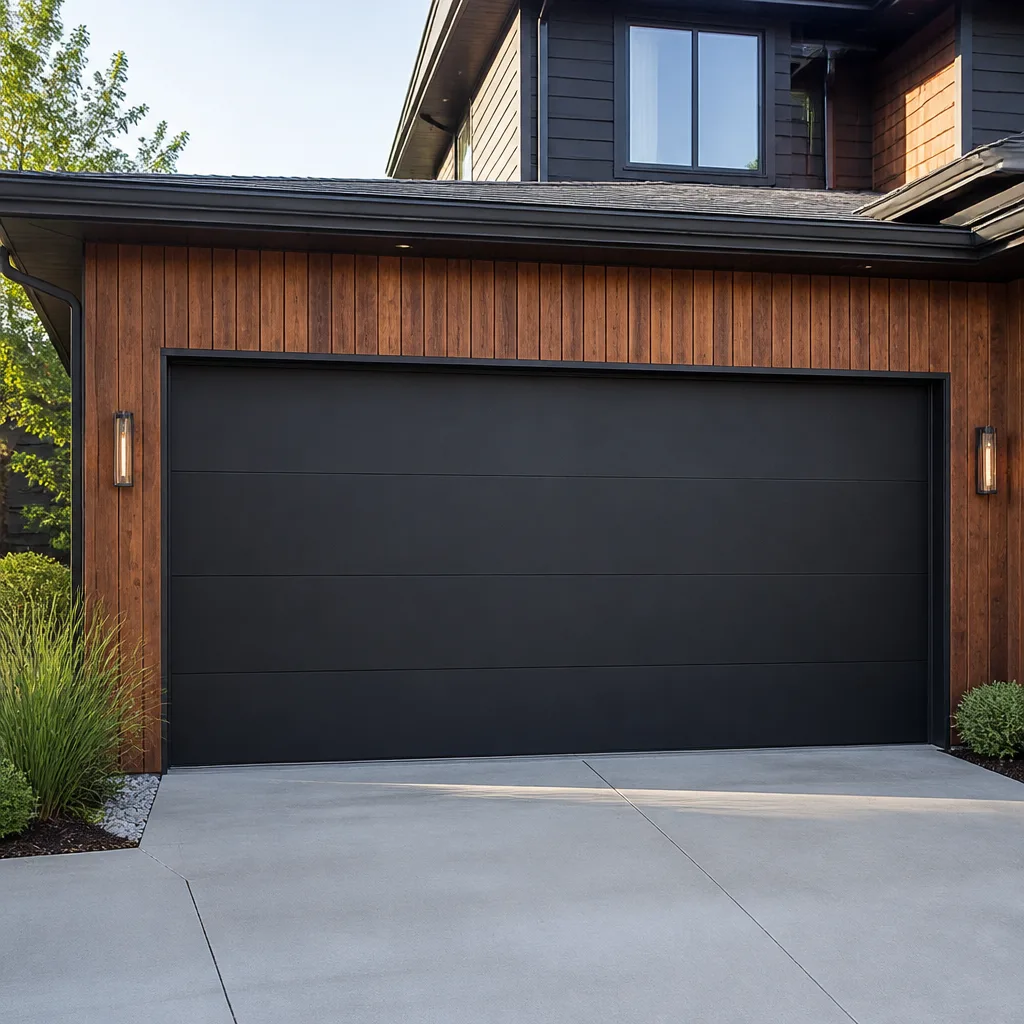 Modern flush
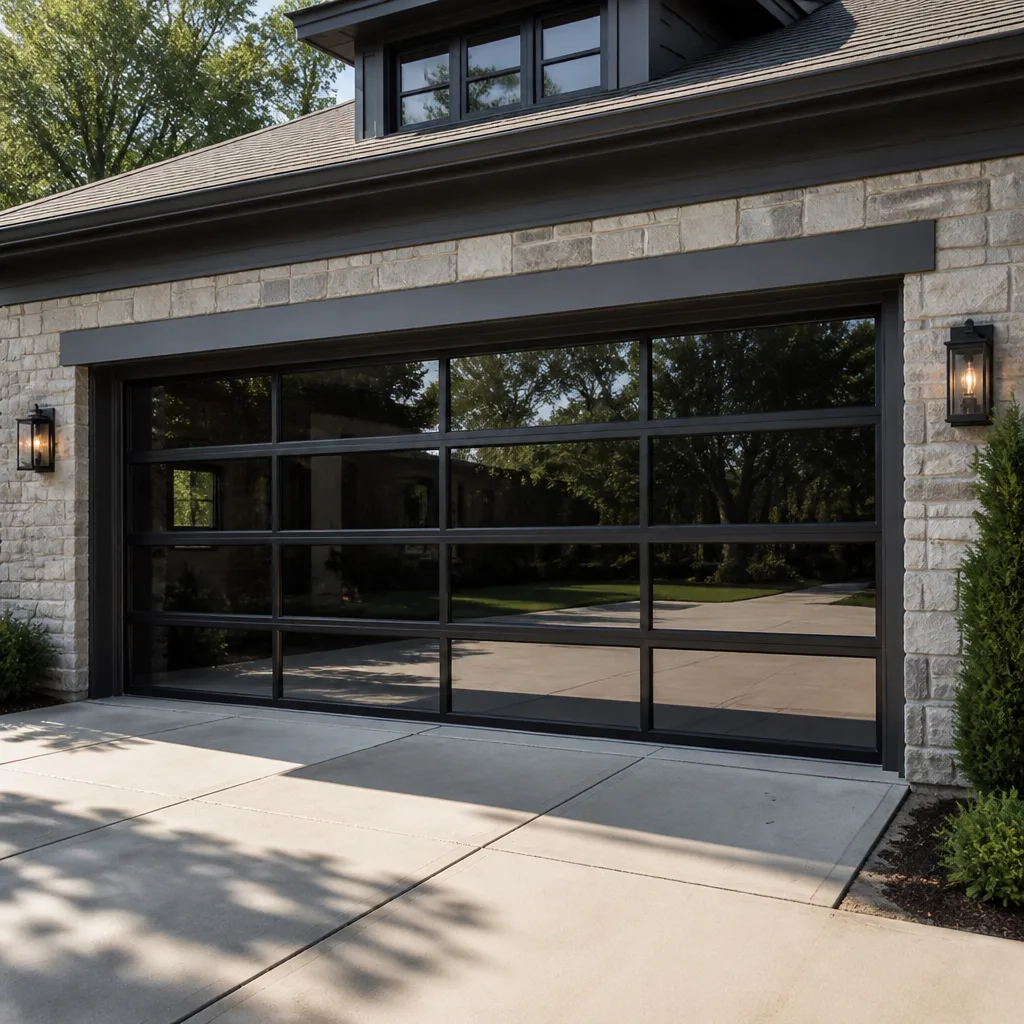 Full-view glass
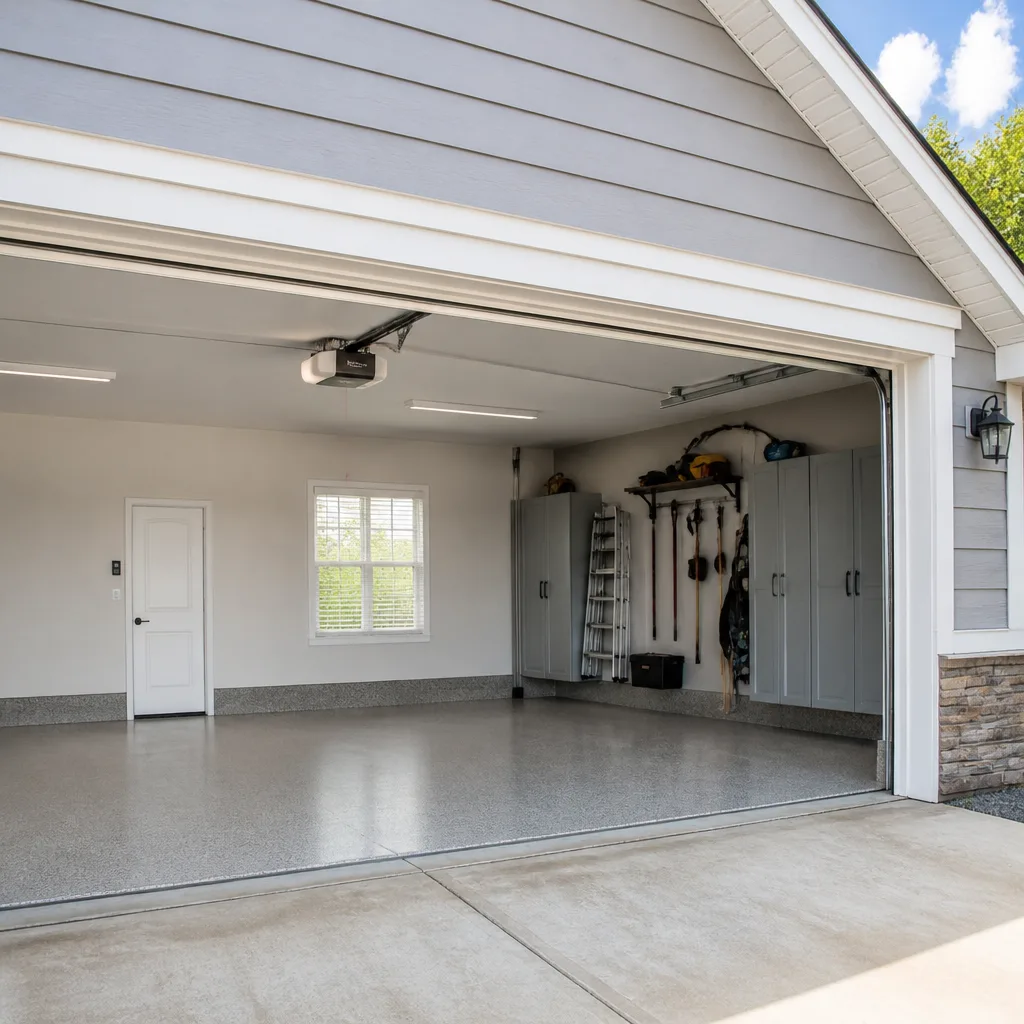 LiftMaster openers
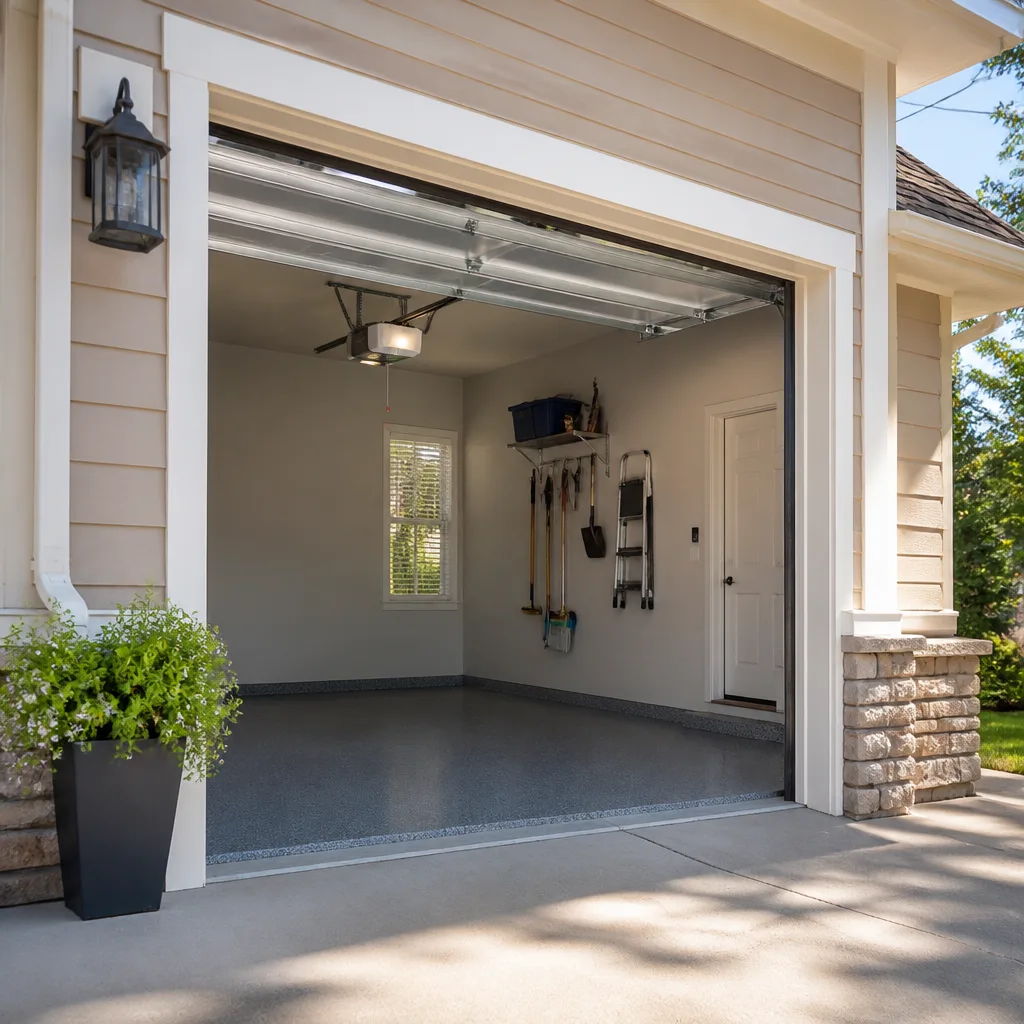 Chamberlain openers
Full 25-point door and opener safety check with every visit - springs, cables, rollers, tracks, and your LiftMaster or Chamberlain opener included
You get a price before we start. It does not change when the pro arrives.
Get your free estimateSeasonal Garage Door Care for Ellicott City: Year-Round Homeowner’s Guide
The most common emergency call we get in Ellicott City doesn’t come in July. It comes in January, and almost nothing actually broke overnight. A cable fray or a torsion spring that was borderline in October reaches its limit when the temperature drops below 20°F, and the door’s effective weight climbs with it. The garage door is the one machine on your house that runs during every kind of weather Howard County throws at it. This guide breaks the year into four failure windows, then gives you a specific prep task for each one so you’re ahead of the problem instead of calling from a cold driveway.
Quick Answer
Seasonal garage door care in Ellicott City means matching maintenance to the climate: tighten and lube before winter’s cold contracts metal and stiffens springs, dehumidify and check seals before summer’s humidity swells wood panels, clear tracks before fall’s heavy leaf drop, and inspect hardware after nor’easters and wind storms. Do the small tasks on a schedule and most spring and cable failures never sneak up on you.
Styles & brands we work with
- Raised-panel steel
- Carriage house
- Modern flush
- Full-view glass
- LiftMaster openers
- Chamberlain openers
Table of Contents
- Why winter is the failure window for Ellicott City doors
- Pre-winter checklist: what to do before the first hard freeze
- Summer humidity and what it does to wood doors, seals, and photo-eyes
- Fall leaf and debris accumulation in tracks
- The post-storm checklist after a Howard County wind event
- Which lubricants to use and which to avoid by season
- The five-minute monthly inspection
- When seasonal care isn’t enough and you need a pro
Why Winter Is the Failure Window for Ellicott City Doors
Cold air does two things to a garage door that warm air doesn’t, and both make your opener work harder. First, steel tracks and spring wire contract in the cold, which changes the geometry the door was balanced against. Second, the springs themselves get stiffer, and stiffer springs on a door that was barely balanced in warm weather can finally give way. If a torsion spring was slightly under-tensioned back in October, January is when you’ll notice it.
Ellicott City sits in a pocket where cold air settles in the valleys and holds overnight, so doors here can see temperatures dip below 20°F well before some spots a few miles north or south. That’s the threshold where marginal hardware starts to fail. Doors here also tend to be older and heavy on the West Friendship side, where a lot of properties have the deep two- and three-car garages built in the 1990s. A heavy wood door that was fine at 40°F can feel noticeably heavier at 15°F.
What you’ll feel first:
- The door opens slower or hesitates partway up
- The opener grinds or strains, and the lights dim when the motor kicks on
- The door doesn’t sit flat when closed, or a gap opens at one corner
- Cables look slack or frayed where they run down the side of the door
None of these are emergencies yet. Each one is a warning. Whether that warning turns into a spring failure in February depends on whether you did the pre-winter work below.
Pre-Winter Checklist: What to Do Before the First Hard Freeze
The single most useful seasonal task for an Ellicott City door is a tension check and adjustment done when the weather turns cold. Torsion spring tension is what offsets the door’s weight, and as metal contracts with the dropping temperature, that balance drifts. Adjusting the tension properly means winding or unwinding the spring to bring the door back to neutral so it feels light and balanced in the hand.
Here’s the honest caution: torsion springs store enormous energy, and an improper adjustment can send a spring or winding bar flying with fatal force. This is one repair we don’t recommend a homeowner attempt. If you want to know how it should go, here’s what a trained technician does:
- Run the door by hand to feel where it’s out of balance (opens easily, binds, or slams)
- Measure and inspect the torsion spring for cracks or wear at the winding cones
- Use the proper winding bars to adjust or replace the spring safely with the door in the right position
- Re-check balance, then confirm the opener travels and reverses correctly with the new tension
- Lubricate the torsion bar, bearings, hinges, and rollers before reconnecting the opener
If the door felt fine in fall but is sluggish now, get the tension checked before winter hits. A trained adjustment done in November can save you a January emergency call and a much bigger repair. In our experience, the doors that break down in the cold are the ones that drifted out of balance unnoticed during the fall.
Do these yourself before the first freeze:
- Test the auto-reverse by putting a block of wood in the door’s path and pressing the close button; the door should reverse immediately
- Check the balance by disconnecting the opener and lifting the door halfway by hand; it should stay put
- Look for cracked spring wire, frayed cables, and loose hinges
- Clear the tracks of any grit so cold-weather rolling stays smooth
- Wipe the bottom seal clean and check that it sits tight against the floor
Summer Humidity: Wood Panels, Seals, and Photo-Eyes
Summer in Ellicott City brings the kind of humidity that makes a wood garage door move. Wood door panels absorb moisture and swell across the summer, then contract again in fall. Left unmanaged, that cycle shows up as sticking panels, panels that bow or cup, and a door that no longer closes flush because a swollen panel is catching the track. A wood door here benefits from a solid paint or stain barrier over the wood surface, typically renewed every two to three years, that keeps moisture from sinking in.
The bottom seal feels summer differently. The rubber compresses in winter’s cold and then swells with heat and humidity, sometimes grabbing the floor and leaving a visible gap at the bottom of the door in the middle of summer. Once a seal is deformed, it stops sealing, and you start seeing daylight under the door and often water intrusion after a summer storm. Replacing a bottom seal is one of the cheapest fixes in garage door work.
Photo-eye alignment is the third summer issue. The two little sensors at the bottom of the tracks have to face each other across the door opening. Sun striking one sensor directly, or a faint vibration from a door that’s been slamming, can knock one out of alignment. When that happens the opener thinks something is in the way and refuses to close. Before calling anyone, check that neither sensor is dirty or knocked out of square, and look for the LED indicator on each eye. Misalignment is the most common “my door won’t close” cause in warm months.
Fall Leaf and Debris Accumulation in Tracks
Fall is a specific problem in Ellicott City because many neighborhoods sit under heavy tree canopy. Howard County has significant hardwood coverage, and the combination of leaves, seeds, and small twigs that drop into an open garage door area over a few weeks can quietly grind a door’s track up. Wet leaves stuck in a track act almost like sandpaper on the rollers, and the door can bind or come off its alignments over time.
The fix is simple but it has to happen weekly during leaf season. Blow or sweep leaves out of the tracks and the space under the door. Then run a clean rag along the inside of each vertical and horizontal track to remove the grit that stuck to the grease. Empty anything that collects under the threshold, especially after windy days.
Two fall details worth checking that most people skip:
- Feel the rollers: if they grind or squeal in fall, the grit has already done damage and the roller needs replacing before winter loads it up
- Look behind the door: leaves and debris that pile up on the floor behind a closed door can jam the door’s travel and trip the safety reverse
Keep the tracks clear and you keep the door rolling smoothly into winter, which is when you can least afford a sticking door.
The Post-Storm Checklist After a Howard County Wind Event
Ellicott City gets its share of nor’easters and fast-moving wind events that blow through Howard County and take roof shingles and tree limbs with them. After a strong wind storm, don’t hit the opener the minute the power comes back. Check the door first. A door that took a hit during the storm can be off its track, and forcing the opener to lift it can warp the panels or damage the opener’s drive.
Do this in order after a storm:
- Look at the door from outside and inside: are the panels straight, or did any panel get dented or pushed in?
- Check the tracks for a visible bend, especially the top horizontal section where wind damage often shows first
- Check the cables on both sides for slack, droop, or fraying
- Inspect the springs for cracks or a visible gap
- Test the auto-reverse with a block of wood before running it any further
- Disconnect the opener and lift the door by hand to see if it still moves freely
If the door is off the track or a panel is bent, leave it closed and disconnected. Forcing a damaged door open is where small impact damage turns into major repair, sometimes into a full replacement. A damaged door can also be a security issue until it’s fixed.
Hail is uncommon here, so most impacts come from wind-driven debris and falling branches rather than hail. Same rule applies to either: any impact should get a full hardware and alignment check before the door is operated.
Which Lubricants to Use and Which to Avoid by Season
The right lubricant changes with the season, and the wrong one can make your problem worse. The biggest mistake we see is reaching for a general-purpose spray like WD-40 to quiet a squeaky door. That product is a solvent and water displacer, not a lasting garage door lubricant. On garage door hardware it thins the existing grease and evaporates quickly, leaving hinges and rollers drier than before. Used in sub-freezing temperatures, it can actually stiffen parts and turn a small squeak into a stuck hinge.
What to use depending on the season:
- Fall and winter: A white lithium grease or a low-temperature-rated garage door lubricant on hinges, rollers, and the torsion bar. Grease holds up better than spray in cold because it stays where you put it and doesn’t run off the bearings.
- Spring and summer: A silicone-based spray for the rollers, hinges, and tracks is lighter and won’t collect as much dust and grit during the months when doors see the most traffic.
- Year-round: Never grease the vertical tracks themselves. They’re meant to be clean and dry; anything slick on the tracks lets the door shift off alignment.
- Always avoid: WD-40 as a door lubricant, any heavy engine oil on the rollers, and any product not actually meant for garage door hardware.
The choice between grease and silicone isn’t huge. The choice to avoid the wrong product is. Use the right one and your door gets quieter and lasts longer; use the wrong one and you’re back to the squeak in a week.
If you have a LiftMaster or Chamberlain opener, its chain drive benefits from a light application of the manufacturer’s recommended lubricant, while a screw-drive opener mostly needs the screw to stay clean, not greased. A Raynor or Wayne Dalton door often has its own brand of roller and hinge, and the right lubricant depends on the metal. Matching the lubricant to your door and opener is one of the small things we do on a service call that most homeowners don’t think about.
The Five-Minute Monthly Inspection
A full seasonal overhaul is twice a year. Between those, five minutes once a month catches most problems while they’re cheap to fix. This is especially worth doing in Ellicott City’s shoulder seasons, when temperature swings are biggest and hardware moves the most.
- Listen. Run the door once. Any new grind, squeal, or rattle is worth investigating before it becomes a repair.
- Balance test. Disconnect the opener, lift the door halfway, and let go. It should hold. If it drops, the springs need attention.
- Safety reverse test. Put a block of wood under the door and press close. It must reverse. Monthly.
- Photo-eye test. Break the beam with your hand and confirm the door won’t close. If it closes anyway, the sensor setup needs a look.
- Visual sweep. Glance at the cables, springs, and tracks for anything new: slack, cracks, bends, or rust streaks.
That’s it. Five minutes, once a month, and you’ll catch the vast majority of the problems that would otherwise show up as a 7 a.m. call when the door won’t open and you need to leave for work.
When Seasonal Care Isn’t Enough and You Need a Pro
Doing the pre-winter and summer tasks yourself keeps most doors healthy, but there’s a point where continuing to live with a symptom costs more than getting it fixed. Call a professional if:
- The door is out of balance and doesn’t hold halfway up; that’s a spring tension problem, and it’s dangerous to adjust yourself
- You see a cracked or broken spring, a slack or frayed cable, or a bend in a track
- The opener strains, reverses on its own, or only works intermittently
- The door was damaged in a storm or an impact
- Your wood door panels are bowing or sticking no matter how you adjust the seal
We handle garage door spring repair as a named service because it’s the repair most likely to go wrong if attempted without training, and we do garage door opener repair for the full range of motorized systems, including LiftMaster and Chamberlain units. If you need garage door repair for the door itself, whether it’s a Wayne Dalton model that’s been in place for years or a newer Raynor, we work on the brand you already have. Ellicott City Garage Door Repair Pros offers free estimates in Ellicott City. Call (855) 840-2105.
Common Mistakes to Avoid
- Using WD-40 as a lubricant. It thins existing grease and evaporates, especially in cold weather, and can make a stiff hinge stiffer. Use a proper lithium or silicone garage door lubricant instead.
- Forcing a door that’s off the track. Running the opener on a door that’s come off its tracks bends panels and strains the opener. Disconnect it and leave it for a professional.
- Ignoring a small cable fray until winter. A fray that’s cosmetic in September can fail in the cold when the door’s weight goes up. Have it checked once the weather turns.
- Letting leaves sit in the tracks. In Ellicott City’s tree-heavy neighborhoods, wet leaves act like sandpaper on rollers and hinges over a few weeks. Blow the tracks out weekly during leaf season.
- Skipping the auto-reverse test. The safety reverse is the single most important safety feature on a garage door. Test it monthly, not once a year.
- Adjusting torsion springs yourself. Torsion spring tension adjustment is the most dangerous task in garage door work. Improper winding can send hardware flying with serious force. This is one repair to leave to a trained technician.
- Letting a bent photo-eye mount go. A photo-eye that’s knocked slightly out of alignment looks fine but stops the door from closing for no obvious reason. Straighten the bracket or have it checked before you assume the opener is failing.
See the difference
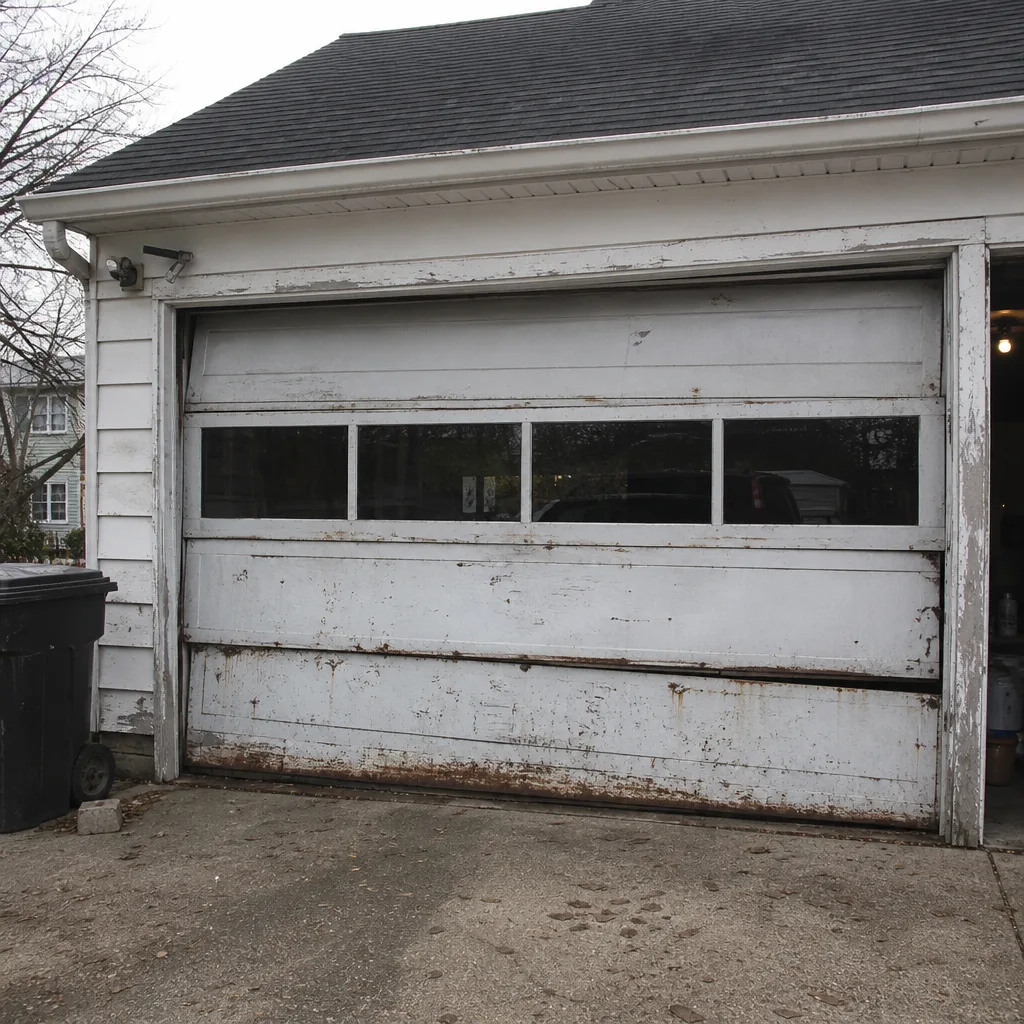 Before
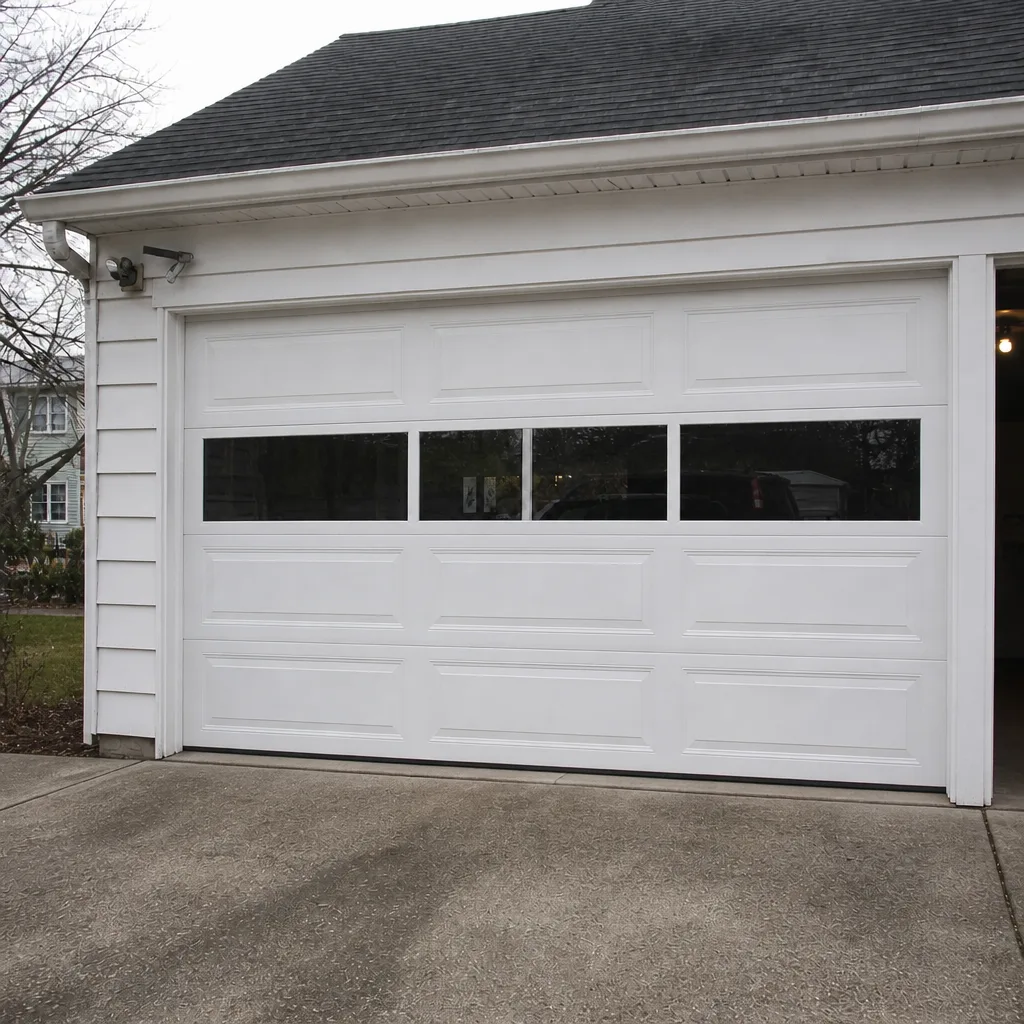 After
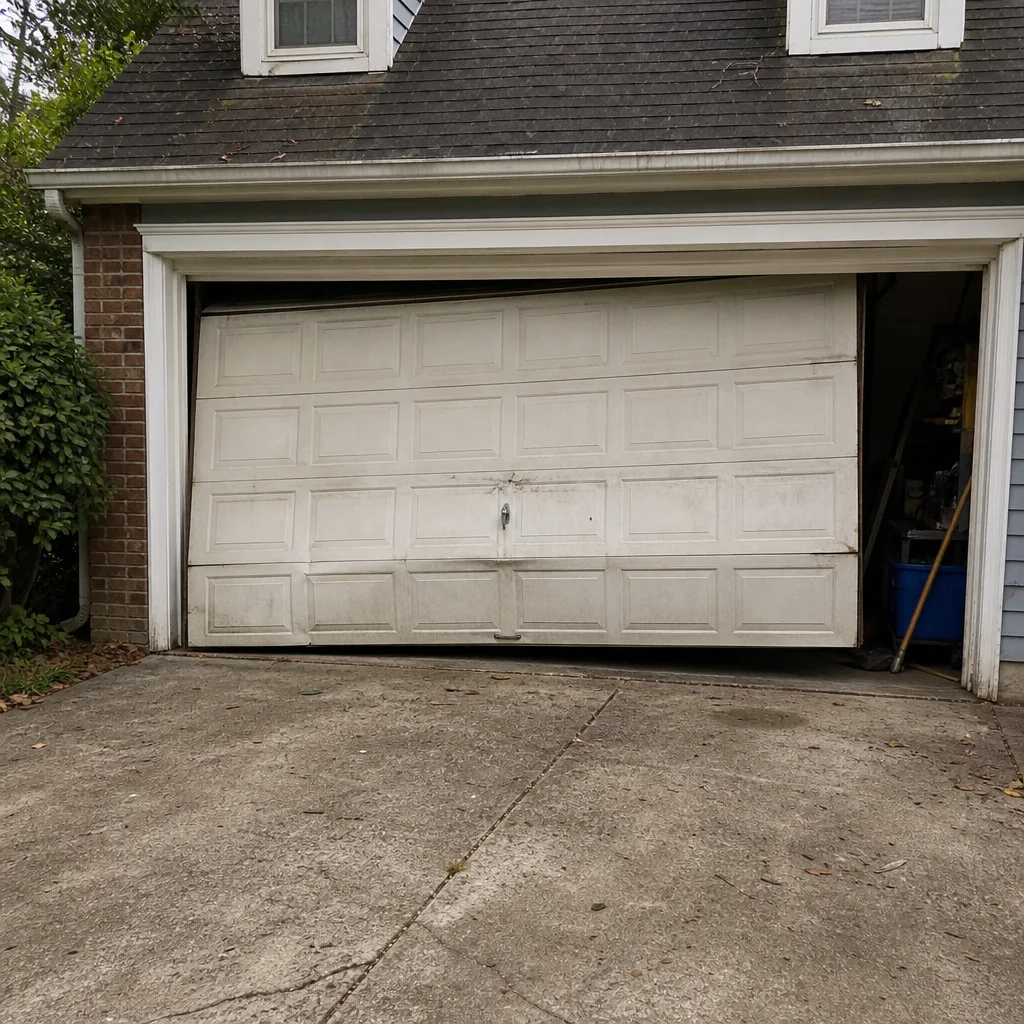 Before
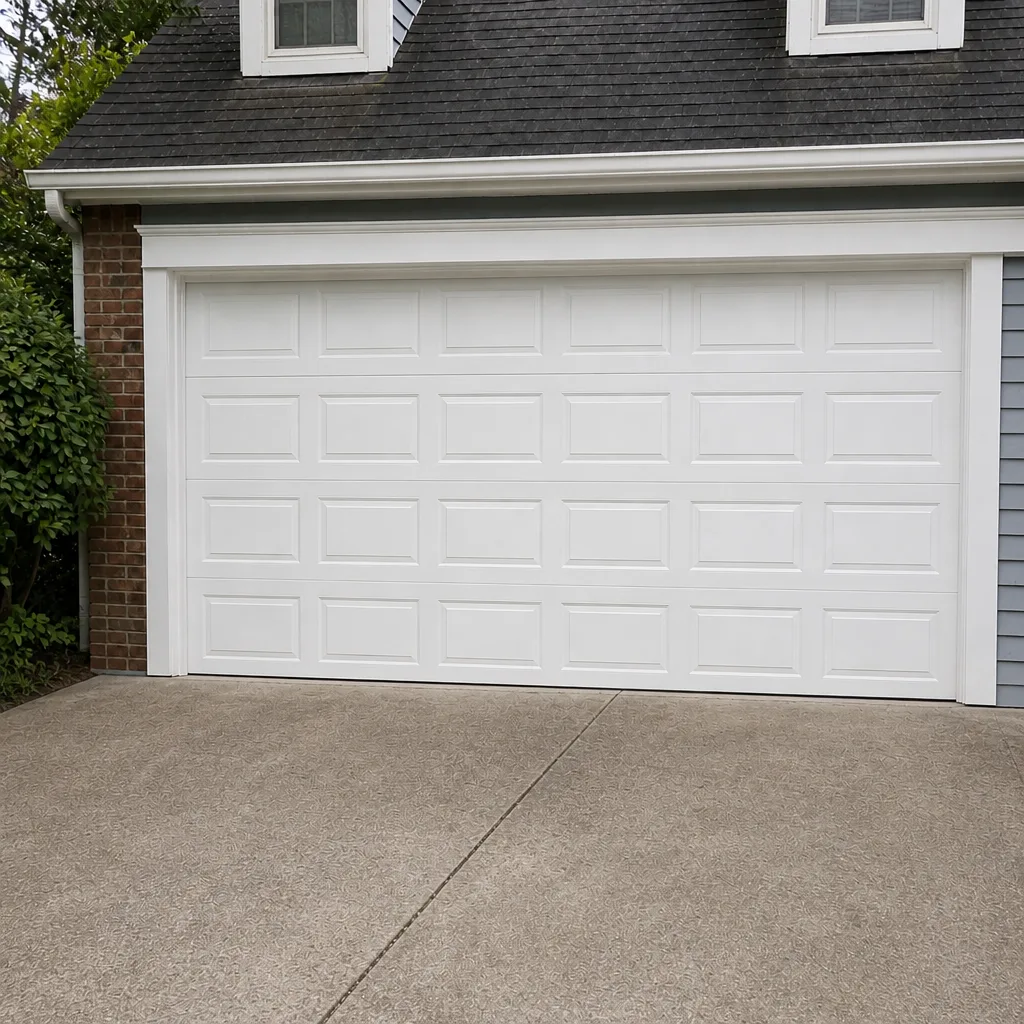 After
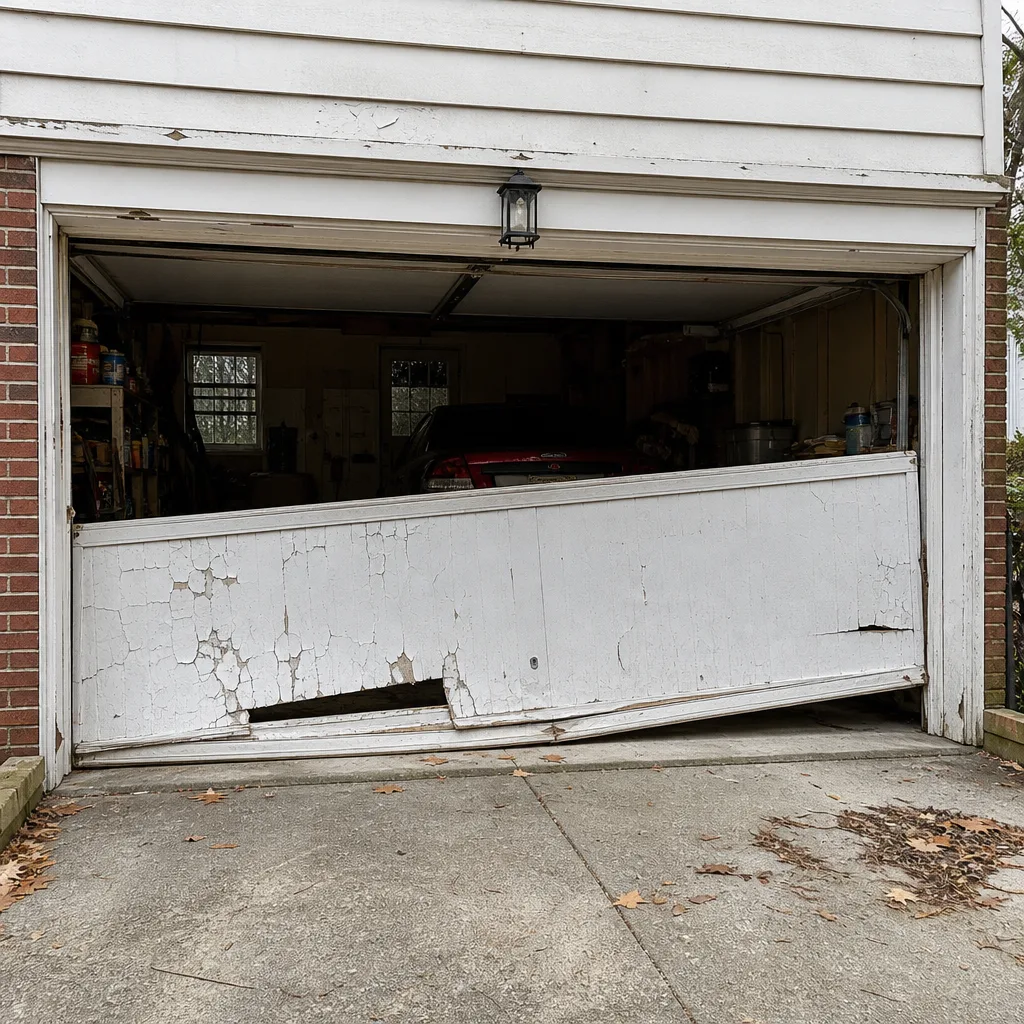 Before
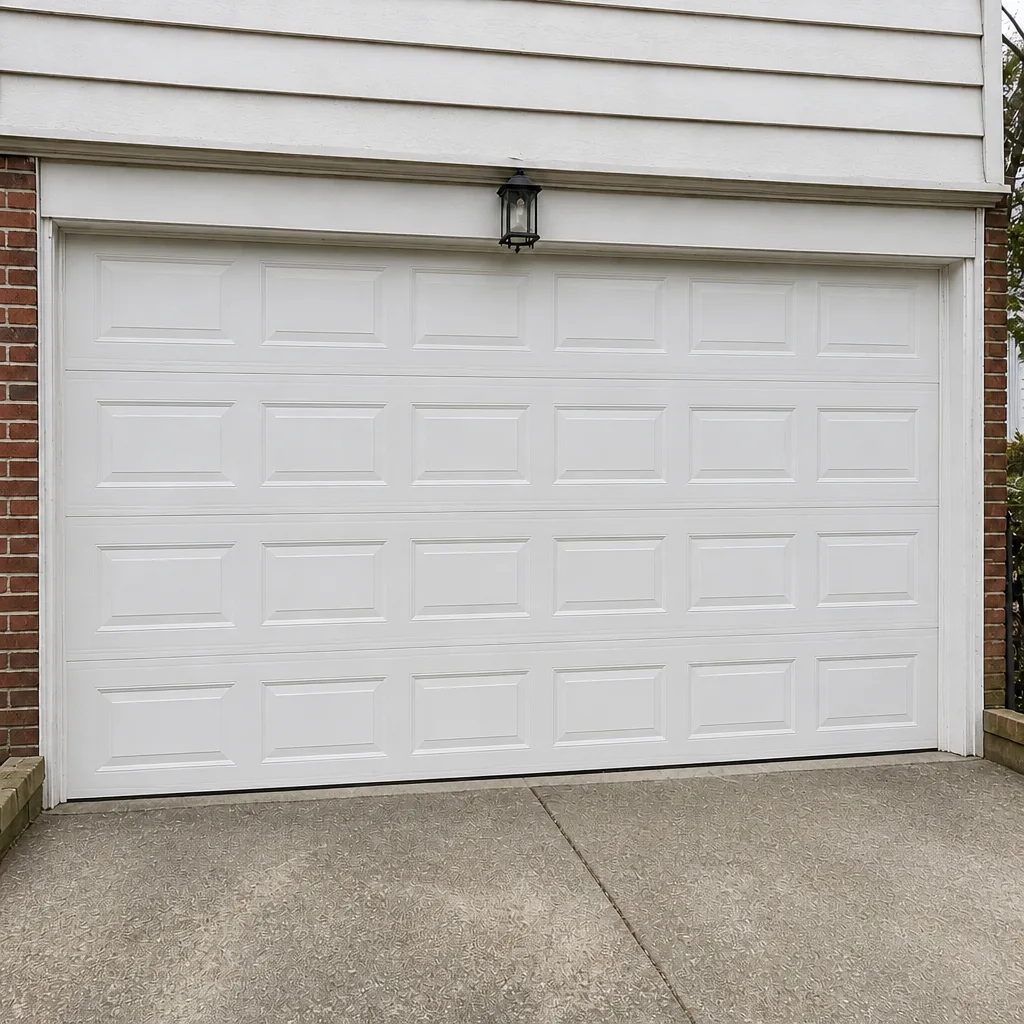 After
When to Call a Professional
Seasonal care handles the small stuff. When you see a broken spring, a frayed cable, a door that’s off its track, or an opener that reverses on its own, it’s time for a trained technician. Our technicians have up to 11 years of experience and are familiar with LiftMaster, Chamberlain, Genie, Clopay, Amarr, Wayne Dalton, Craftsman, and Raynor products, so we diagnose by brand-specific behavior instead of guesswork. Ellicott City Garage Door Repair Pros offers free estimates in Ellicott City. Call (855) 840-2105. When the door won’t move and you need it fixed before the end of the day, that’s exactly the kind of call we take.
Frequently Asked Questions
Twice a year is the reasonable baseline here: once before winter for tension, balance, and cold-weather lubrication, and once in spring for wood panels, seals, and photo-eye alignment. In between, five minutes a month for the auto-reverse and balance check catches most developing problems before they cost you a repair. Call (855) 840-2105 for an exact quote on a service visit; estimates are free.
Cold air contracts the metal in tracks and spring wire and stiffens the springs, so the door’s balance drifts and the opener works harder. The most common cause is a torsion spring that was borderline in fall and is now under-tensioned for the colder load. This is a tension adjustment, not a broken part, but don’t attempt it yourself. Have a professional check it before the first hard freeze; call (855) 840-2105 to book a free estimate.
No. Torsion springs store enormous energy, and an incorrect adjustment can cause serious injury or a dangerous spring release. The tension adjustment itself is quick for a trained technician and worth the call. If you think the door needs a tension adjustment, book it rather than trying it. Call us at (855) 840-2105 for a free estimate.
Clear the tracks weekly during leaf season, especially if you’re in one of Ellicott City’s tree-heavy neighborhoods. Blow or sweep leaves out of the tracks and under the door, then wipe the inside of the tracks clean with a rag so the grit doesn’t stick to the grease and grind your rollers. If the rollers already squeal or grind, they may need replacing; call (855) 840-2105 for a free estimate.
Lubricate the hinges, rollers, and torsion bar with a silicone-based spray in warm months, because it’s lighter and less likely to collect dust. Don’t lubricate the vertical tracks themselves, and don’t use WD-40 as a door lubricant at any time of year. If you’re unsure what your door needs, we can check it during a service call; call (855) 840-2105 for a free estimate.
Inspect the door panels, tracks, cables, and springs before you run the opener. Look for bent panels, a visible track bend, slack cables, or a cracked spring. If anything looks off, leave the door closed and disconnected and get a technician out. Hail is uncommon here, so most impact damage comes from wind-driven debris. Call (855) 840-2105 for a free estimate.
The Bottom Line
Ellicott City’s climate gives you four distinct windows to prep for, and each has a specific task. Tighten and lube before winter’s cold contracts the metal and stiffens the springs. Dehumidify and check seals when summer humidity swells the wood. Clear tracks weekly through fall leaf drop. Check hardware after every Howard County wind event. Do the small tasks on the schedule and the big repairs stop surprising you. When you’re past what you can do yourself, we’re here. For Ellicott City Garage Door Repair Pros, the goal is fewer emergency calls and more doors that just work. Free estimates, upfront pricing, and no surprises once the job is underway.
Contact Us
If the season has caught up with your door and you need a repair or an installation, call (855) 840-2105 for a free estimate. We’ll come out, take a look at your door and opener, and give you a written price before any work starts. That’s the whole pitch.
Written by the team at Ellicott City Garage Door Repair Pros.