Last updated November 21, 2026
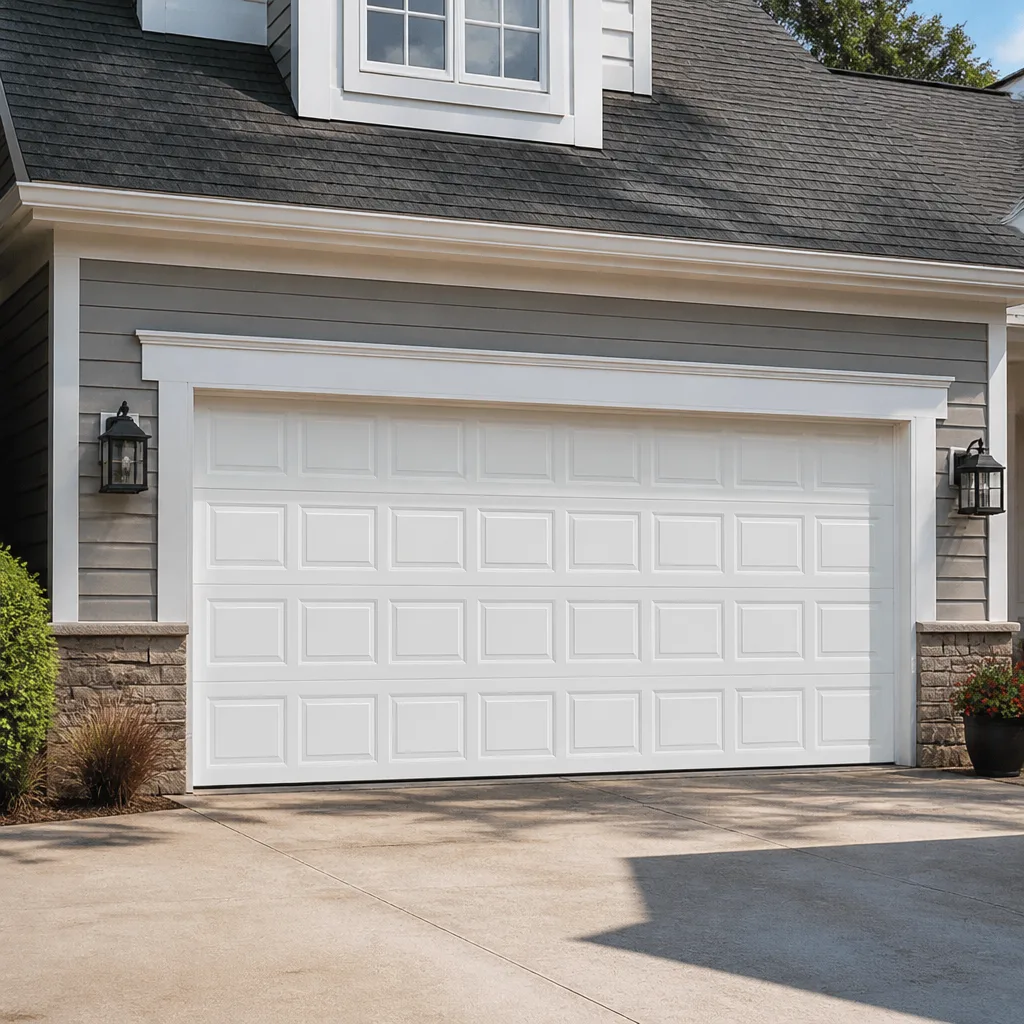 Raised-panel steel
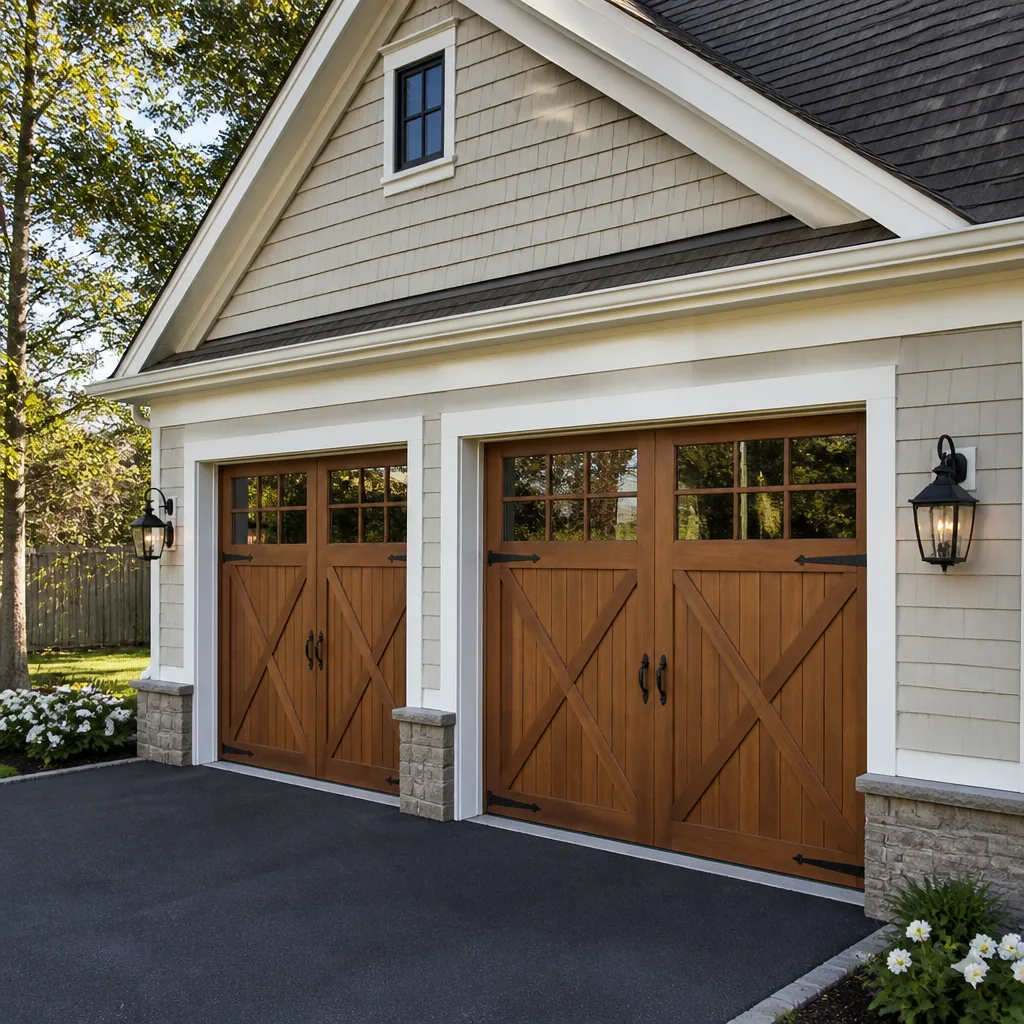 Carriage house
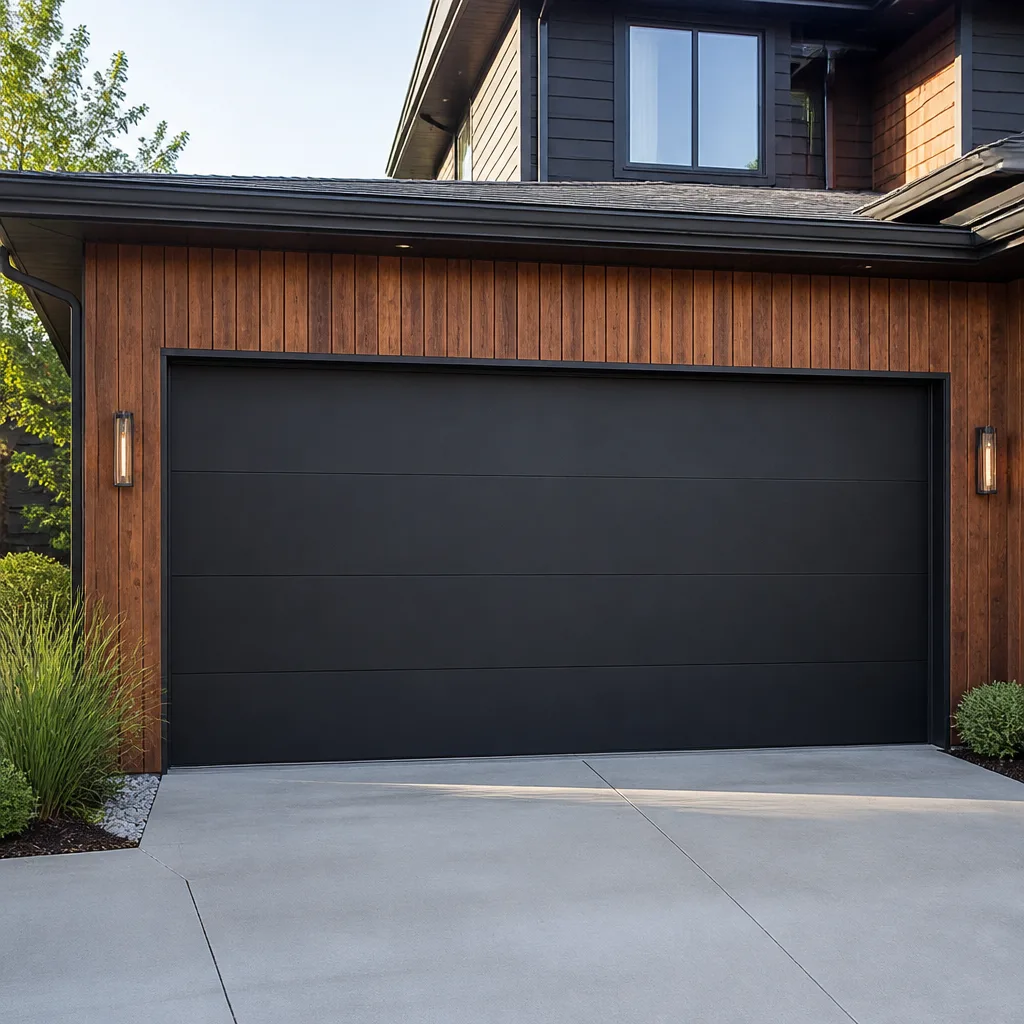 Modern flush
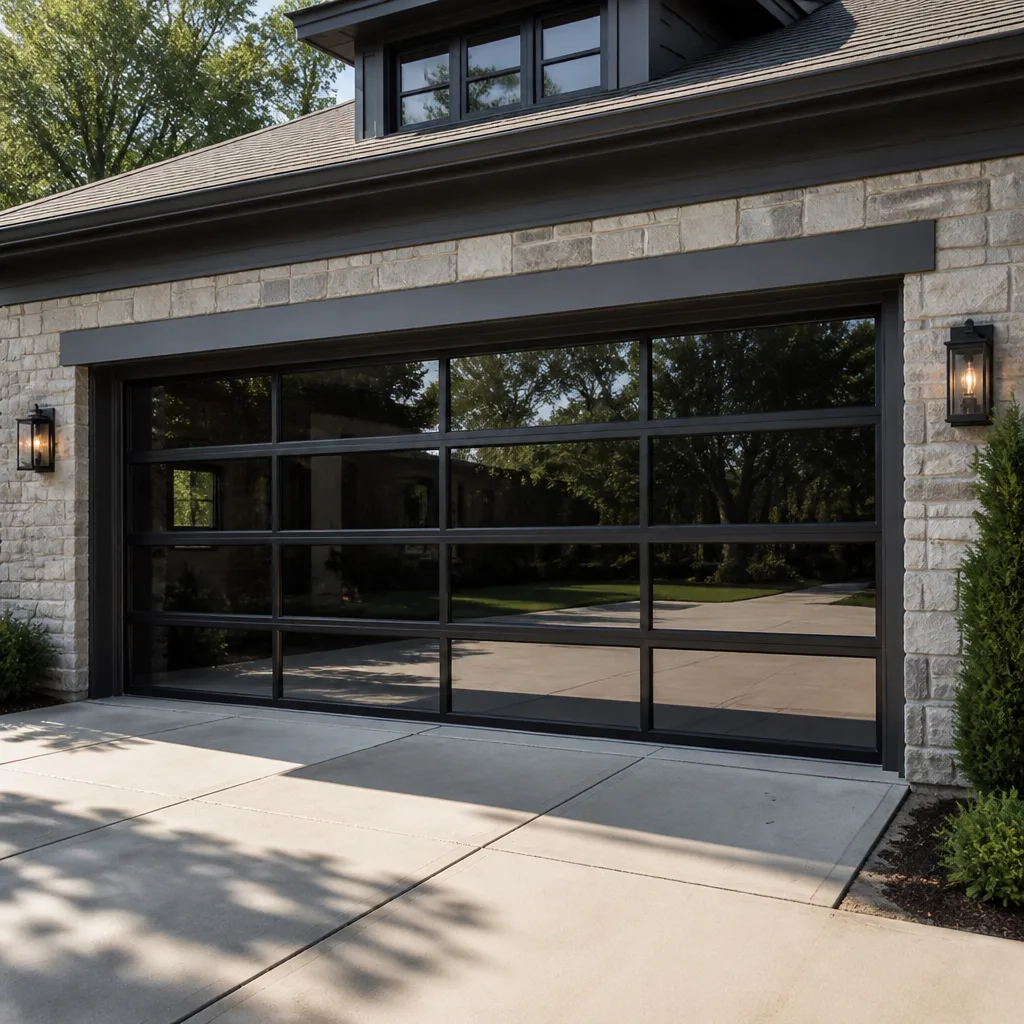 Full-view glass
 LiftMaster openers
 Chamberlain openers
Full 25-point door and opener safety check with every visit - springs, cables, rollers, tracks, and your LiftMaster or Chamberlain opener included
You get a price before we start. It does not change when the pro arrives.
Get your free estimateGarage Door Warning Signs: An Ellicott City Homeowner’s Reference Guide
Most garage door guides hand you a checklist of noises and symptoms and leave you to guess whether any of them matter. That’s the problem. A grinding sound and a door that reverses on its own are both “warning signs,” but one means call when it’s convenient and the other means stop using the door until a technician gets there. Treating every symptom the same way is exactly how a routine problem turns into a dangerous one. This reference guide does something different: it sorts every common garage door warning sign in Ellicott City into three urgency tiers so you know what to do tonight, what to do this week, and what to keep an eye on.
Quick Answer
Garage door warning signs fall into three urgency levels. Stop using the door immediately if you see a broken torsion spring, a frayed or snapped cable, a door hanging unevenly, or an opener that reverses on its own. Schedule service within 72 hours for grinding rollers, a slow opener, or a door that reverses intermittently. Monitor anything that happens occasionally with no pattern, like a single missed reversal test or a door that’s slightly louder than it used to be, and bring it up at your next service visit. Ignoring a tier-one sign is what turns a repair into an injury or a full replacement.
Styles & brands we work with
- Raised-panel steel
- Carriage house
- Modern flush
- Full-view glass
- LiftMaster openers
- Chamberlain openers
Table of Contents
- The Three-Tier Urgency System
- Reading the Sounds Your Door Makes
- Safe Visual Inspection Points From the Ground
- Why Intermittent Problems Are Often the Serious Ones
- Opener Behavior as a Diagnostic Proxy
- Spring Fatigue and the Signs You Shouldn’t Ignore
- How Ellicott City Weather and Homes Add to the Wear
- Building Your Own Response Plan
The Three-Tier Urgency System
Urgency isn’t about how bad a problem sounds. It’s about how quickly a problem can cause harm or compound the damage to the rest of the door. A door that won’t move at all might be a dead opener, which is inconvenient but safe. A door that opens fine but has a visible gap in the torsion spring above it is a much more serious situation, because that spring is holding enormous stored tension with nothing to stop it from releasing.
Here’s how we classify warning signs, and how we recommend you do too:
- Tier 1 – stop use now. Broken torsion spring (a gap in the coil above the door), a snapped or visibly frayed cable, a door that sits crooked or one side sags, a door that opens on its own, or an opener that closes on an object and doesn’t reverse. These are injury and structural risks. Don’t force the door up or down, and call for service before using it again.
- Tier 2 – schedule within 72 hours. Grinding or squealing through the whole travel, an opener running noticeably slower, a door that reverses at random intervals, a bent bottom section, or a bottom seal dragging on the floor. These wear faster the longer you leave them, and some get dangerous as they degrade.
- Tier 3 – monitor and service soon. A single noisy spot in travel, a door that’s slightly louder than last year, or a remote that occasionally needs an extra press. None of these is an emergency, but none should be forgotten either.
In Ellicott City, the tier-two list shows up more often in the older town-center and Valley Mede garages, where door hardware has been through more swing than the components were designed for. If a tech inspects and finds the whole door needs replacing, that’s a separate conversation we’re happy to have in the same visit.
Reading the Sounds Your Door Makes
Every garage door has a normal voice. Learn it and any change to it becomes information. A healthy door makes a soft, consistent hum from the opener, a smooth roll of the panels up the tracks, and a gentle thud as the door settles on the floor. It shouldn’t squeal, grind, bang, or rattle. When it does, the sound usually tells you which part needs attention.
Here’s what the specific sounds point to:
- High-pitched squeal through travel. Usually dry rollers or a lack of lubrication on the hinge pivots. It’s benign at first but accelerates wear on the rollers if ignored. A standard tune-up clears it.
- Low grinding that gets louder near the top. Typically worn steel rollers that have lost their bearing. The roller is grinding the track rather than rolling through it. Left alone, the roller can seize and score the track, which turns a roller swap into a track replacement.
- A snap or bang followed by the door not moving. A torsion spring has failed. You’ll usually see the gap in the spring coil above the door. Stop using the door. This is a tier-one event and the most serious thing that happens to a garage door.
- A metallic twang or scrape when the door moves. Often a cable jumping off its drum or starting to fray. Frayed cable is tier one as well; a snapped cable can whip with enough force to break glass or cause injury.
- Rattling or clunking while the door moves. Usually a loose hinge, a worn roller in the hinge joint, or a track that’s come loose at a bolt. Mild rattling is tier two; a track that rattles visibly at the bolt should be checked quickly since a bent track can pull a door off its plane.
One sound you don’t need to worry about: a single thud when a door reaches the floor. That’s the door meeting the ground and is normal. A door that bangs hard enough to shake the wall above it usually has a bottom seal issue or an opener that’s driving too far. That’s a tier-two concern.
Safe Visual Inspection Points From the Ground
You can diagnose most of the visible warning signs without a ladder or tools. Do this from a safe distance, standing on the floor in front of the door, never reaching into the track or above the door. Here’s what to look for and where:
- The torsion spring above the door. Look for a clean gap in the coil. A torsion spring is one continuous spiral when intact, and a break shows up as a separated coil with daylight between the two halves. Do not touch it or try to move the coil by hand. A loaded torsion spring holds enough force to break bones if it releases unexpectedly.
- The cable drums at each corner. A properly wound cable sits neatly in the drum groove. A cable that’s crossed over itself, has an obvious kink, or appears slack means it’s not loaded correctly and could come off under tension. That’s a tier-one stop-use sign.
- The bottom seal and floor contact. The rubber seal under the door should sit flat along the floor, or across the concrete apron, with no visible daylight. A gap on one side means the door is out of level or the seal has torn. Water and insects get in, and the opener has to work harder to seat the door each time.
- The tracks on both sides. Look for visible bends or dents, especially near the curve where the horizontal track meets the vertical. A bent track is beyond cosmetic and can derail a door. Tier two at minimum, tier one if the door already sounds like it’s catching.
- The hinges and rollers at the seam of each panel. A hinge that’s pulled loose from the panel or a roller that’s visibly out of its hinge will usually make itself known through sound. From visual inspection alone, focus on whether any hinge is sheared or hanging open.
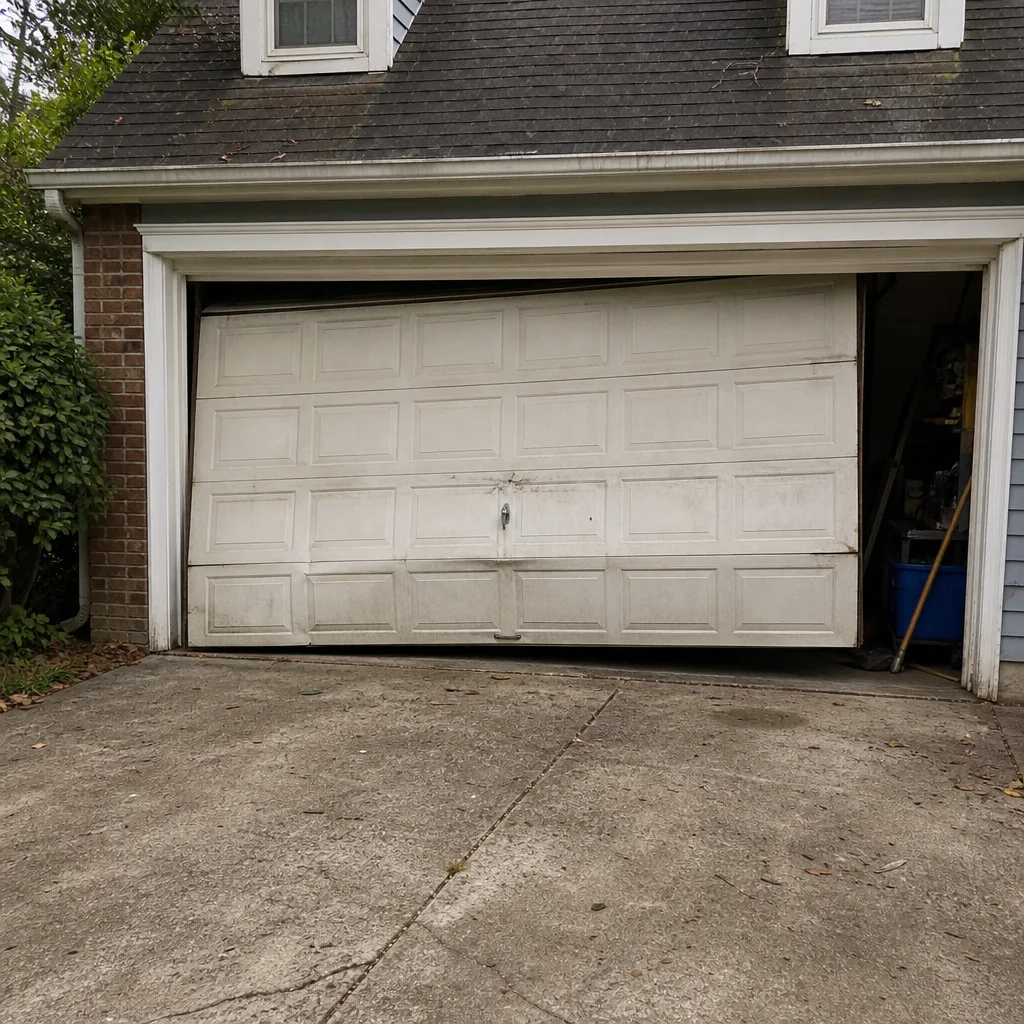
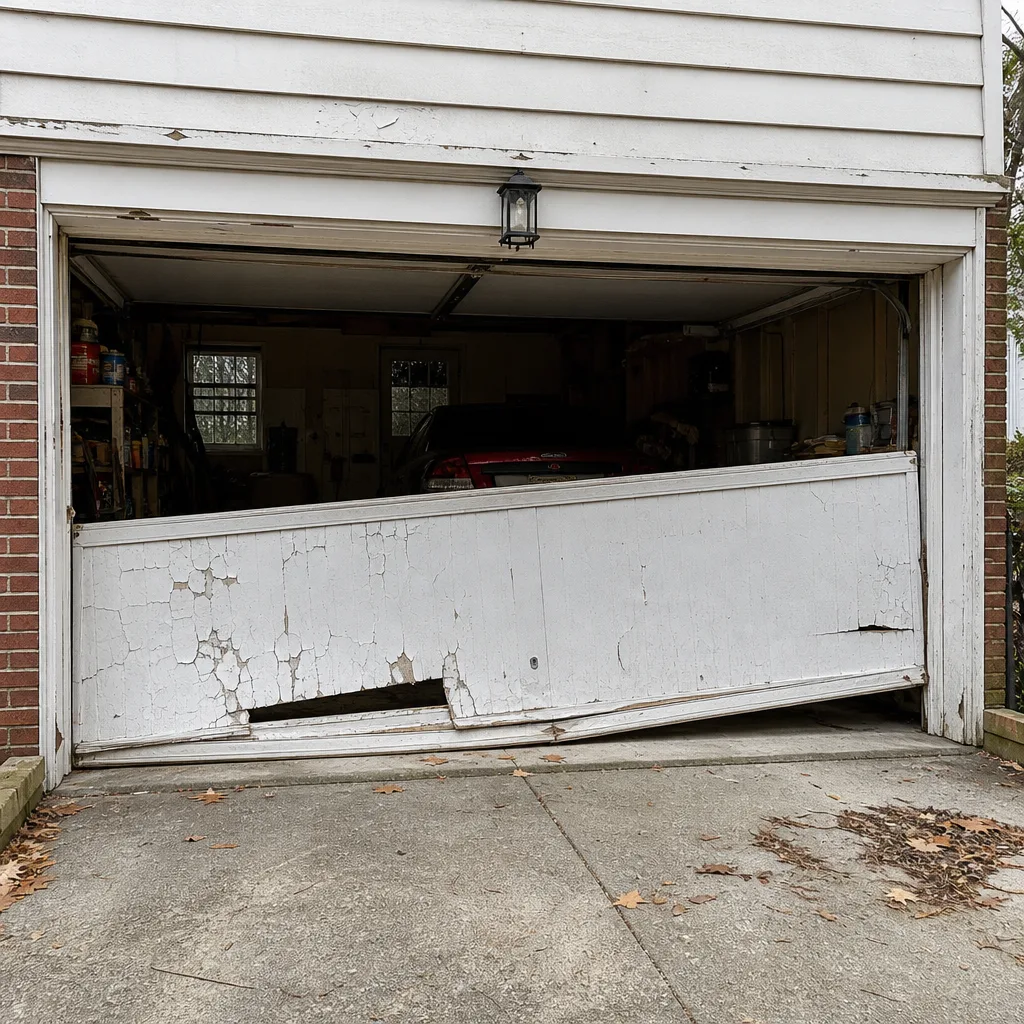
- Panel alignment. Look at the vertical gaps between panels from a distance. If one side of the door is higher than the other, the door is binding on one track, and the opener is stressing to push through. Any visible out-of-square condition is tier one.
For a lot of Ellicott City homes, the concrete apron in front of the door is a bit uneven or settled, especially at older properties where tree roots have lifted the slab. That’s not a garage door defect, but it does change how the bottom seal reads from the ground. If the seal looks even but the apron isn’t, you’re fine; if the seal is uneven against a level apron, the door needs adjustment.
Why Intermittent Problems Are Often the Serious Ones
Consistent symptoms are usually mechanical wear, and wear is predictable. A door that grinds every time is a known quantity. The trickier category is the door that works fine most of the time and then doesn’t, and that pattern tends to point at something that’s wearing in a way you can’t see from the floor.
Here’s what causes the “works fine until it doesn’t” pattern:
- Intermittent spring fatigue. Torsion springs don’t break cleanly the moment they start failing. They weaken in stages, and a weakening spring can cycle the door ten times without issue and then release under a slightly different load. If you hear a bang occasionally without seeing anything wrong, have the spring inspected rather than waiting for the failure.
- Frayed cable strands letting go one at a time. A cable losing strands one at a time will feel fine until the remaining strands fail at once. That’s why a visual check of the cable drum from the floor matters even when the door is running smoothly.
- Loose track bolts working in a rhythm. A track that’s come loose at one bolt will shift just enough to catch a roller under certain temperatures or wind loads. That’s a consistent physical issue, but the symptom shows up inconsistently because the track only binds under certain conditions.
- Opener logic faults. On a LiftMaster or Craftsman unit, an intermittent reverse can be either a mechanical obstruction the opener is detecting correctly or a logic issue in the safety circuit. It looks the same from the outside. That distinction is why intermittent opener behavior belongs on a technician’s list, not just a homeowner’s “wait and see” list.
- Weather-sensitive hardware. The Chesapeake-adjacent climate around Ellicott City swings between humid summers and freeze-thaw winters, and that swings metal expansion, lubricant behavior, and wood-frame settling. A track that binds only on very cold mornings is telling you about the hardware, not the weather.
The practical rule: if a symptom happens three times or more, treat it as consistent, even if it’s intermittent. Three strikes is enough of a pattern to warrant a call.
Opener Behavior as a Diagnostic Proxy
Your opener is telling you what the mechanical door is doing behind it. A heavy, out-of-balance door loads the motor harder, and the motor records that in how it behaves. If you learn to read your opener’s behavior, you’ll catch mechanical problems before they show up in the door itself.
Here’s what each pattern typically indicates:
- Random reversals when nothing is in the way. The opener’s safety sensors or logic think they see an obstruction. That could be a misaligned photo-eye, a loose sensor wire, a sun-glare issue, or an unbalanced door triggering the opener’s force limit. If the door reverses once and stops reversing, treat it as tier three and re-test the sensors. If it reverses regularly, tier two.
- Slow travel speed or stalling mid-cycle. The motor is working harder than it should. Common causes are a binding track, worn rollers, or a spring that’s lost tension and isn’t carrying its share of the door’s weight anymore. If the opener routinely stalls on the same travel point, the door is fighting something mechanical and needs to be inspected before the opener motor burns out.
- Motor overload shutdown (opener draws, clicks, doesn’t move the door). Some openers have a thermal cutout that engages when the motor overheats. That means the opener was working very hard for a while. If yours has shut down once, let it cool and try again; if it shuts down under normal use, the door load is above spec and needs a technician.
- Door opens fully but won’t close, or closes then reverses immediately. Photo-eye or safety sensor issue almost every time. On a Genie or Chamberlain system, this can also be a limit-switch setting that’s drifted. Usually a fast diagnostic, so call and we’ll walk through it.
Openers vary by brand in how they express these faults. A LiftMaster will often flash a diagnostic code on the motor unit, while a Raynor system integrated with a specific opener may respond differently. Because we work on LiftMaster, Chamberlain, Genie, Clopay, Amarr, Wayne Dalton, Craftsman, and Raynor equipment, we don’t start over every time a homeowner says the door “just clicks.” garage door opener repair begins with the specific brand behavior, not a guess.
Spring Fatigue and the Signs You Shouldn’t Ignore
Torsion springs do the actual lifting on almost every residential garage door in Ellicott City. The opener’s job is to guide the door and to overcome friction. If the springs are weak, the opener has to lift the door by itself, and openers aren’t built for that. That’s why spring fatigue is both a safety issue and the fastest road to a burned-out opener.
Signs of spring fatigue that show up before a full break:
- The door feels heavy when you lift it by hand (door disconnected from opener only). A properly balanced door lifts with about the same force as a kitchen chair. If it takes both hands and real effort, the springs are carrying less than they should. This is a tier-one symptom if the effort is severe; disconnecting an opener to test by hand is fine, but don’t reach into the spring area to do it.
- The door won’t stay open when you lift it halfway. A door that falls back down or slams down when released at half height is telling you the springs can’t hold the door’s weight mid-arc. That’s a strong signal of fatigue and a stop-use condition.
- Clicking or popping sounds during travel. Sometimes a spring has broken into interlocking pieces that are still catching on each other inside the coil. The door might operate, but you’ll hear a rhythmic pop. Stop using it.
- A visible gap in the spring coil. The single clearest signal. If you see daylight between coils of the torsion spring above the door, the spring has failed. It’s tier one and the door should not be used until a technician replaces the spring.
Spring repairs are one of the most mishandled calls in the trade, and also one of the most dangerous. We treat garage door spring repair as a standalone service for that reason. The stored energy in a loaded torsion spring warrants a trained technician with the right winding bars and the correct spring for your door’s weight. A general handyman without that specialty shouldn’t be the person winding a new spring over your car.
How Ellicott City Weather and Homes Add to the Wear
Ellicott City sits in a Mid-Atlantic climate with humid summers, real freezes in winter, and a lot of seasonal swing. That matters for garage doors because every material in a door moves with the temperature. Wood frames swell and shrink, steel expands and contracts, lubricants thicken in cold weather and thin in heat. Most of the “it only happens sometimes” complaints we get in Ellicott City trace back to this seasonal ebb and flow.
A few specific patterns worth knowing:
- Freeze-thaw and the bottom seal. When temperatures drop below freezing, the rubber seal under the door stiffens. If the seal is already worn or compressed, it will read as a gap on cold mornings and seal fine in the afternoon. Replacing a worn seal before winter is one of the cheaper ways to keep cold air and moisture out of the garage.
- Summer heat and opener thermal cutouts. Motors work harder in a hot garage. If your opener reliably shuts down on very hot days after a few cycles and works fine when it cools, that’s a sign the door is loading the opener heavier than it should. The door is usually the culprit, not the opener.
- Hill-country driveways and drainage. Plenty of Ellicott City homes sit on sloped lots, which means the concrete apron in front of the garage can take on water in heavy rain. A dragging bottom seal pulls moisture and grit into the door’s travel path, which accelerates wear on hinges and rollers. That’s a tier-three item to monitor when you notice it, and a reason to keep the seal contact even.
- Humidity and hinge corrosion. Long humid stretches take their toll on painted steel hinges and rollers. A light lubrication on the hinges at least twice a year extends their life.
- Older homes in the historic district. Garages built to fit older cars can have nonstandard door heights and track clearances. Symptoms that point to “bent track” on a newer home often point to “tight clearance” on an older one. Both get resolved, but the fix is different. If you’re in a town-center property and your door has been hard to close for years, that’s worth a diagnostic even if it’s been that way your entire tenure.
Building Your Own Response Plan
A response plan doesn’t have to be elaborate. It’s a short list of what you’ll do for each tier, written down so you’re not making the decision in a dark garage at 11pm. Here’s how we recommend building one:
- Test the reversal once a month. Lay a small board or rolled towel in the door’s path and close the door from the wall button. The door should reverse immediately on contact. If it doesn’t, stop using the opener until it’s adjusted. This is the single most important habit a homeowner can develop.
- Do the visual list from the ground once a month. Spring, cable drums, bottom seal, tracks, panels. Two minutes, no tools.
- Lubricate the right parts twice a year. Hinges and roller stems take a light garage-door lubricant. Don’t lubricate the tracks themselves; save that for the rollers. Cold-weather prep in late fall and a summer check in June are enough.
- Write down your tier-one triggers. Broken spring, snapped cable, crooked door, opener reverse failure. Those are the four that mean “call now, don’t use the door.”
- Note the intermittent ones. A note on the phone for any symptom that’s happened three times or more gets you off the “wait and see” fence.
If your door is due for a general service or you’ve spotted tier-two items on your own list, garage door repair is designed for exactly that. For a door that hasn’t moved in a while because of a spring, cable, or opener problem that never got fixed, the door is unlikely to fix itself. And if the door is past repair – if panels are shot, the track is beyond straightening, or the frame has settled badly – garage door installation can be handled by the same company that does your repairs, so you’re not tracking down a different contractor mid-project.
Common Mistakes to Avoid
- Forcing the door up when it won’t move. A door that won’t move is usually telling you either the spring has failed or the opener is out of limit. Using a hand pull on a door with a broken spring is how serious injuries happen. Don’t force it. Call for diagnosis.
- Greasing the tracks. Putting lubricant on the vertical tracks actually collects grit, which wears rollers faster. Lubricant goes on hinges and roller stems, not the track surfaces themselves. It’s the opposite of what most homeowners assume.
- Treating an intermittent symptom as fine. Intermittent reversals, occasional bangs, and doors that “sometimes catch” are all early mechanical wear. There’s no free pass for a symptom that only happens sometimes. If it’s happened three times, schedule service.
- Letting the photo-eye get blocked by seasonal debris. Fallen leaves, a garage sale sign, the bottom of a snow shovel stacked in the corner. Sensor alignment is easy to check and free to fix, but a perceived obstruction on a winter morning reads as “opener is broken.”
- Skipping the bottom seal when the apron isn’t level. In Ellicott City, plenty of driveways have settled concrete. The seal can still sit flat against a slightly uneven apron. But a seal that’s ignoring a genuine gap lets water into the garage through freeze-thaw cycles, which is where a lot of garage storage damage starts.
- Storing items against the door frame or the bottom seal travel path. Bikes, rakes, and boxes propped against the door panel put small dents in the panel joints, which become the first panel to bend. Move storage off the travel line.
- Ignoring brand-specific behavior on the opener. A LiftMaster flashing five or six times is a diagnostic code, not a random glitch. A Craftsman that beeps three times is signaling something specific too. If you don’t know the brand’s codes, that’s exactly what a technician is for.
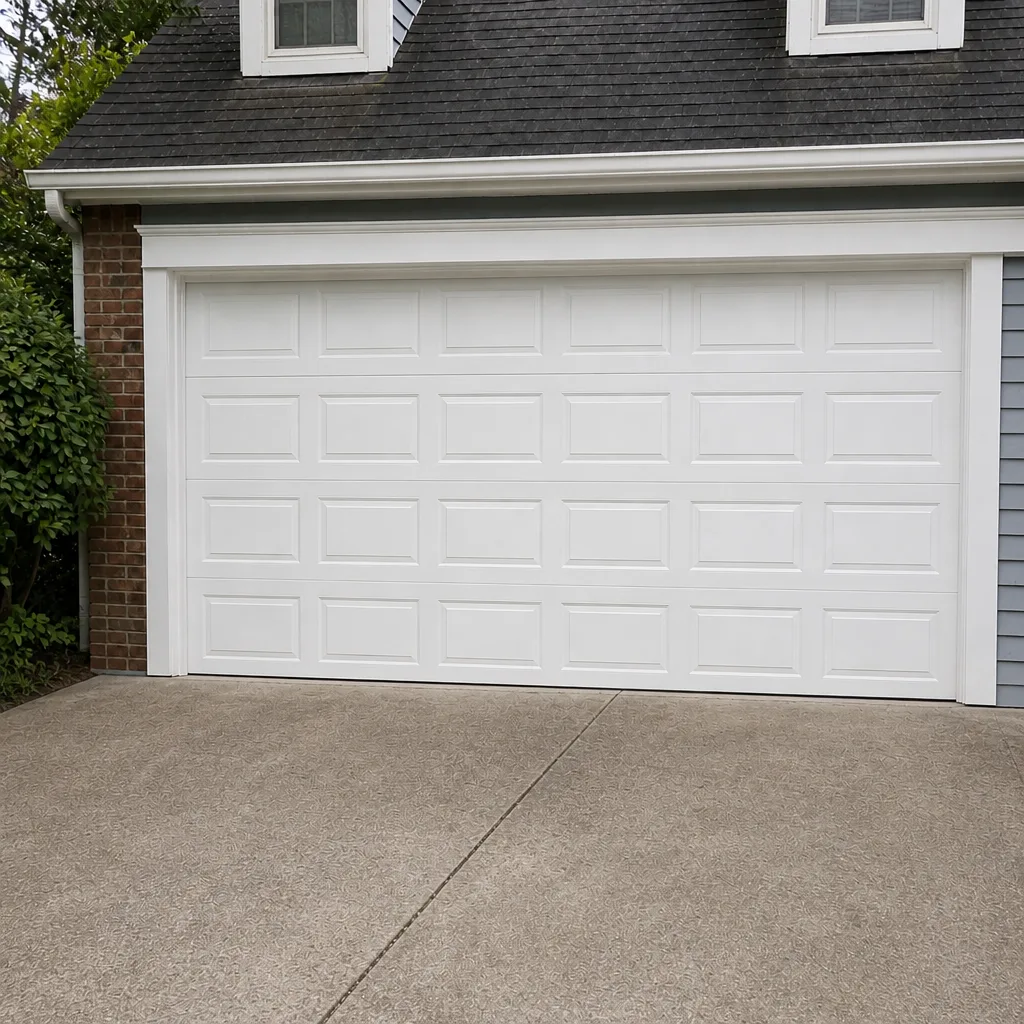
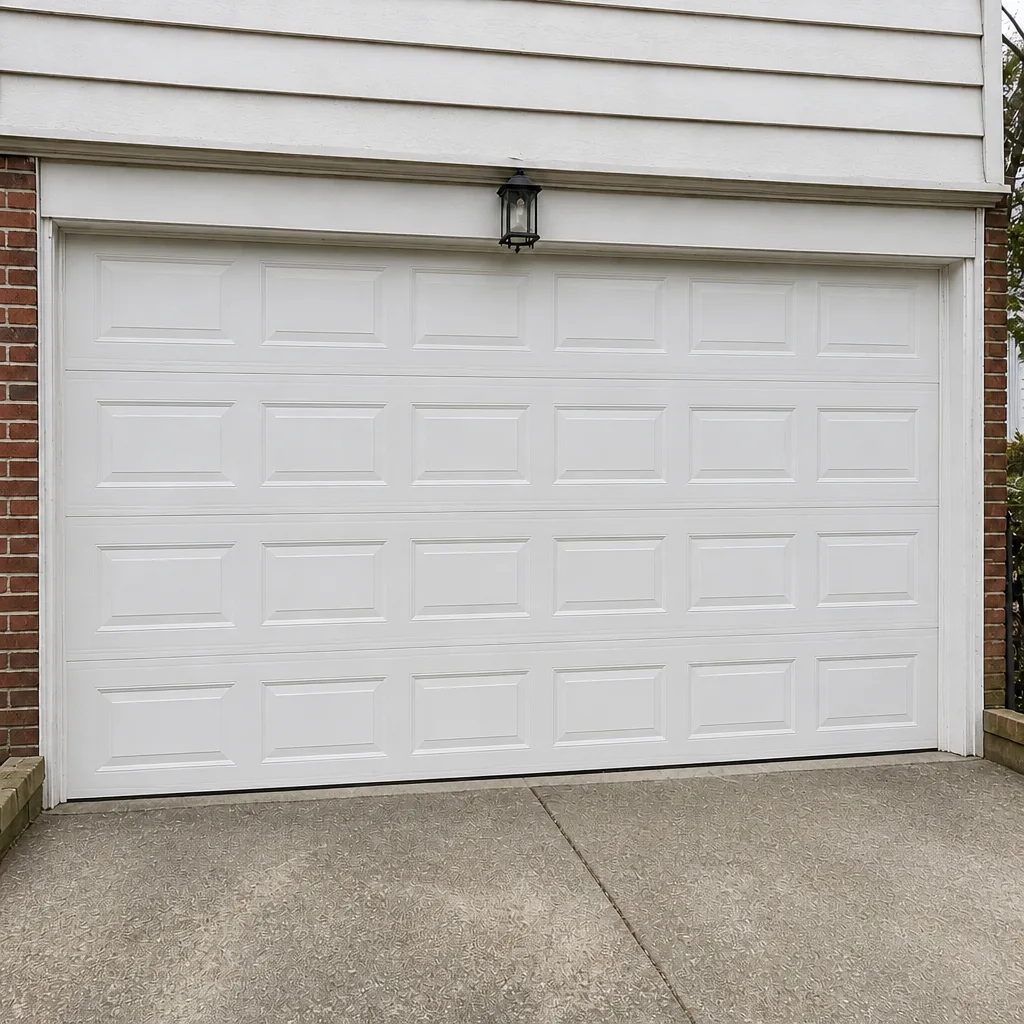
See the difference
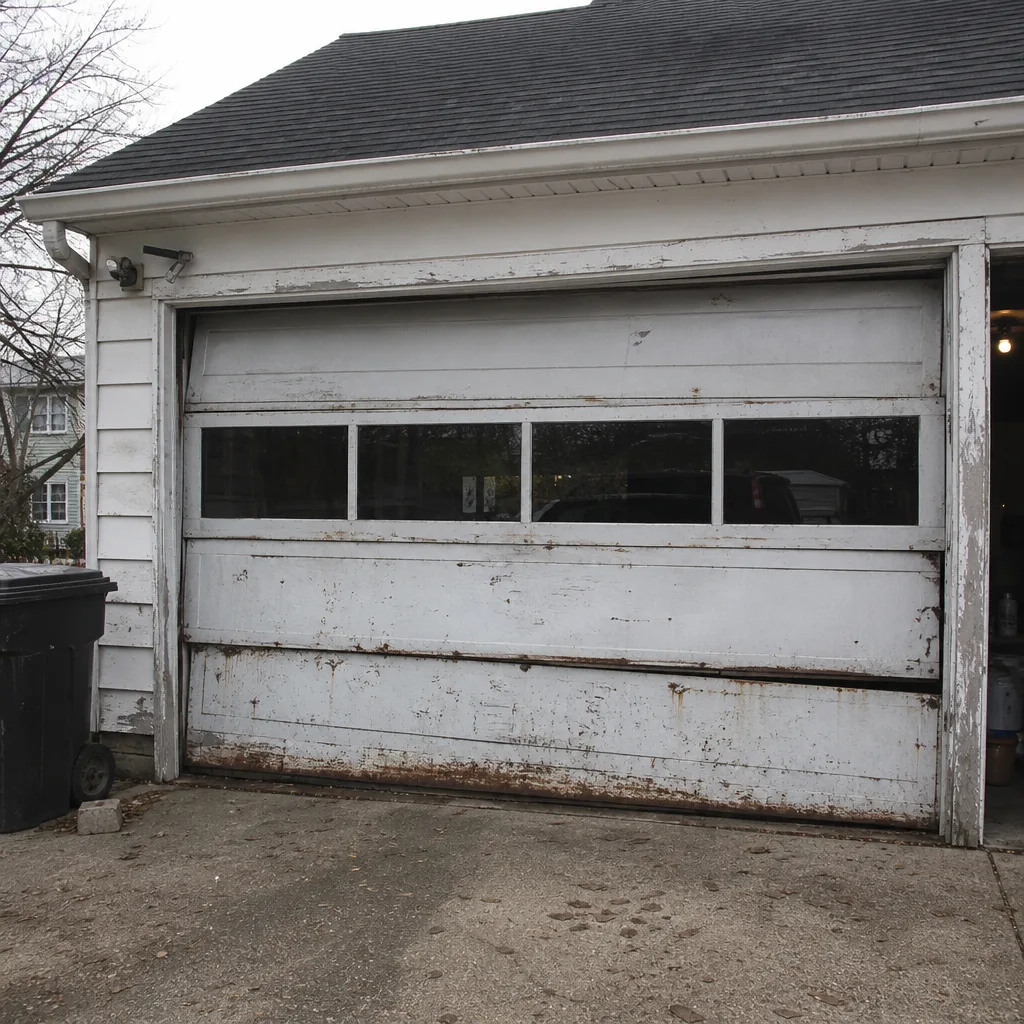 Before
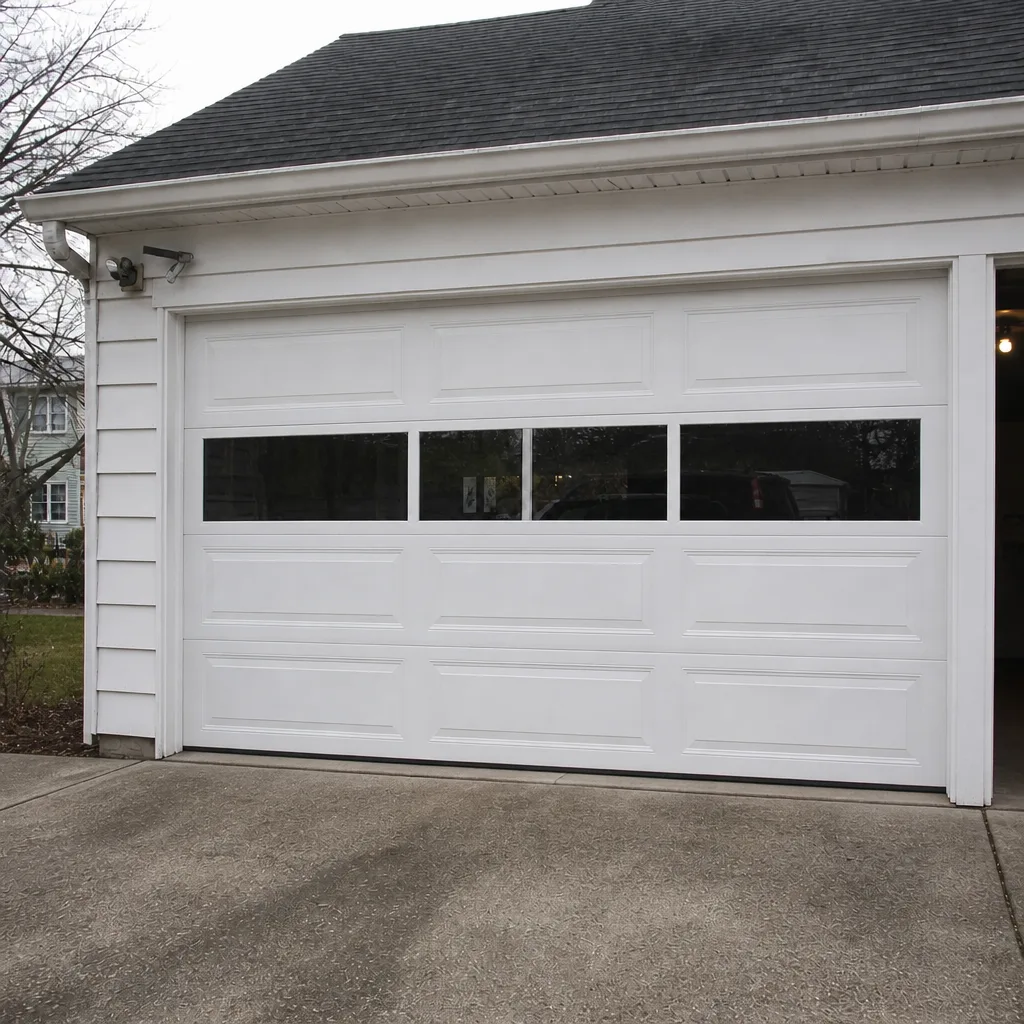 After
 Before
 After
 Before
 After
When to Call a Professional
Call a professional immediately for any tier-one sign on the list above: a broken torsion spring, a snapped or frayed cable, a door that’s visibly crooked, an opener that fails the reversal test, or a door that opens on its own. Don’t wait to see if it improves. Call within 72 hours for tier-two signs: grinding through travel, a bent track, an opener running slower than it used to, or a door that’s failed the reversal test once and then “worked fine.” Tier three gets logged and handled at your next service visit. If the door is past repair, ask about replacement in the same call so you’re not chasing down a second contractor. Ellicott City Garage Door Repair Pros offers free estimates in Ellicott City – call (855) 840-2105. When your door won’t move, call and we’ll get you on the schedule.
Frequently Asked Questions
Look at the torsion spring above the door for a visible gap in the coil, and check whether the door feels heavy when you lift it by hand. A broken spring shows up as a separated coil with daylight between the two halves, and the door usually fails to lift or slams down when released halfway. Don’t touch the spring or try to move it; call (855) 840-2105 for a diagnostic. Spring repairs need a trained technician because the stored tension in a loaded spring can cause serious injury.
Grinding is usually not tier-one, but it’s rarely tier-three either. Consistent grinding through the door’s travel usually means worn rollers, a loose hinge, or a track that’s binding, and those wear faster the longer you leave them. Schedule service within 72 hours. If the grinding comes with a visibly bent track or a door that’s out of level, stop using it and call sooner.
An intermittent reverse almost always points at the opener’s safety circuit or a door that’s loading the opener heavier than it should. Common causes are misaligned photo-eye sensors, sun glare on the sensor lens, or a spring that’s lost tension and isn’t carrying the door’s weight. If the reverse happens three times or more, treat it as a real problem and schedule a diagnostic call at (855) 840-2105. Free estimates.
Most homeowners can lubricate their garage door themselves with a light garage-door lubricant on the hinges and roller stems twice a year. Don’t put lubricant on the vertical track surfaces; that collects grit and accelerates roller wear. Anything that involves the spring, cable, or opener limit settings should be done by a technician. If you’re not sure which parts are safe to touch, call and we’ll walk you through it.
Typical spring repair in Ellicott City runs in the same range as most Mid-Atlantic markets, and the exact price depends on whether your door has one spring or a matched pair, the door’s weight, and which brand of hardware it’s set up with. Spring pricing is quoted per spring, and a matched pair is usually replaced together. Call (855) 840-2105 for a free estimate. The written price is agreed before any work starts.
Yes, and often a more serious one than a door that fails consistently. Intermittent symptoms are usually early-stage wear, like a spring that’s weakening in stages or a cable that’s losing strands one at a time. Consistent failures are predictable; a door that “works fine until it doesn’t” is where the dangerous failures happen. If it’s happened three times, call (855) 840-2105 for a diagnostic.
Replacement is worth asking about if the panels are visibly bent or rusted through, the track is beyond straightening, or the door frame has settled badly enough that adjustments won’t hold. A full new door is measured, ordered, and scheduled, so the process is different from a repair call. Call (855) 840-2105 to book a free measure and a written price. We work with Clopay, Amarr, Wayne Dalton, and Raynor doors, so the door you already like probably has an equivalent in the lineup you’re considering.
The Bottom Line
Warning signs on a garage door only help if you know how to read them. Sort every symptom into one of three tiers and your next move becomes obvious: stop using the door for a broken spring, snapped cable, crooked door, or failed reversal test; schedule within 72 hours for grinding, a slow opener, or a door that binds; monitor and mention anything that’s only happened once or twice. Learn your door’s normal sounds, do a two-minute visual list from the ground each month, and test the reversal once a month. Call (855) 840-2105 when something moves from “wait and see” to “I should call.” Free estimates, priced and agreed before work starts.
Written by the team at Ellicott City Garage Door Repair Pros.