Last updated November 21, 2026
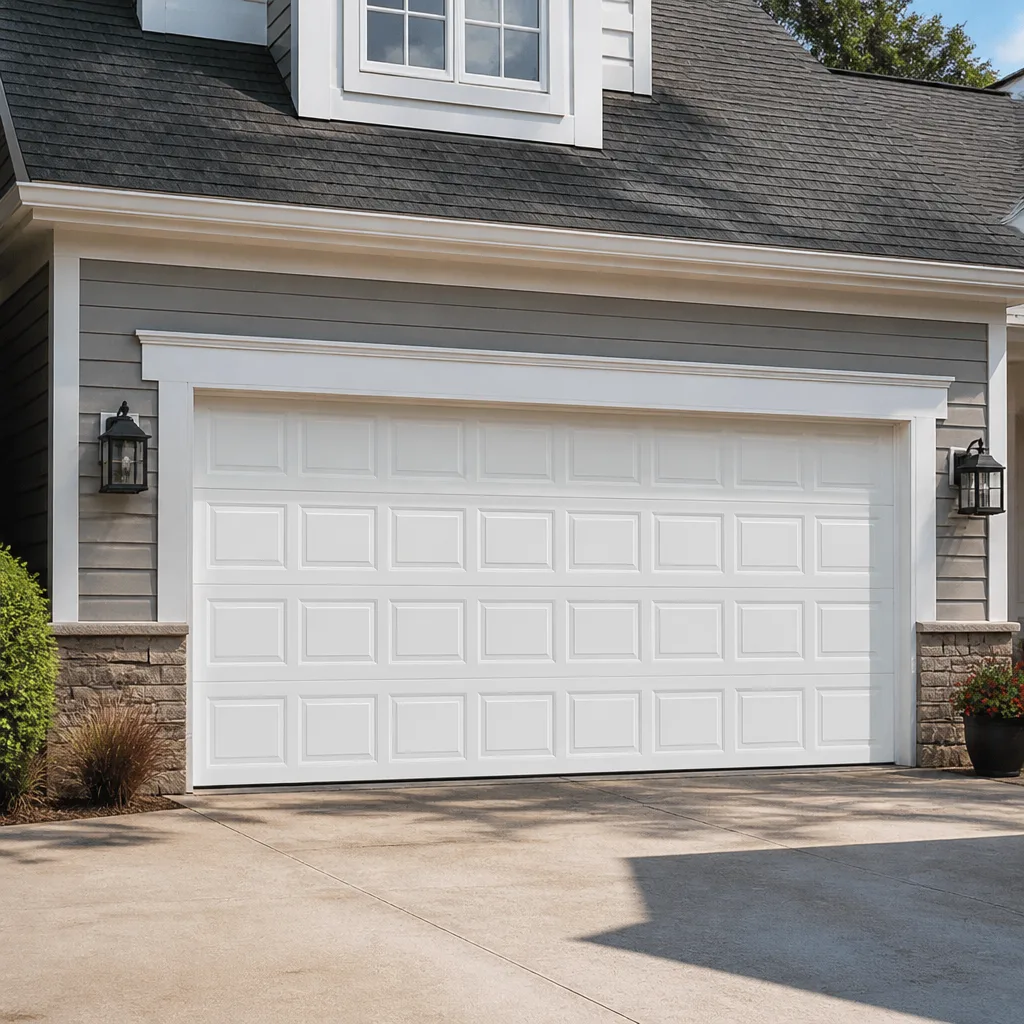 Raised-panel steel
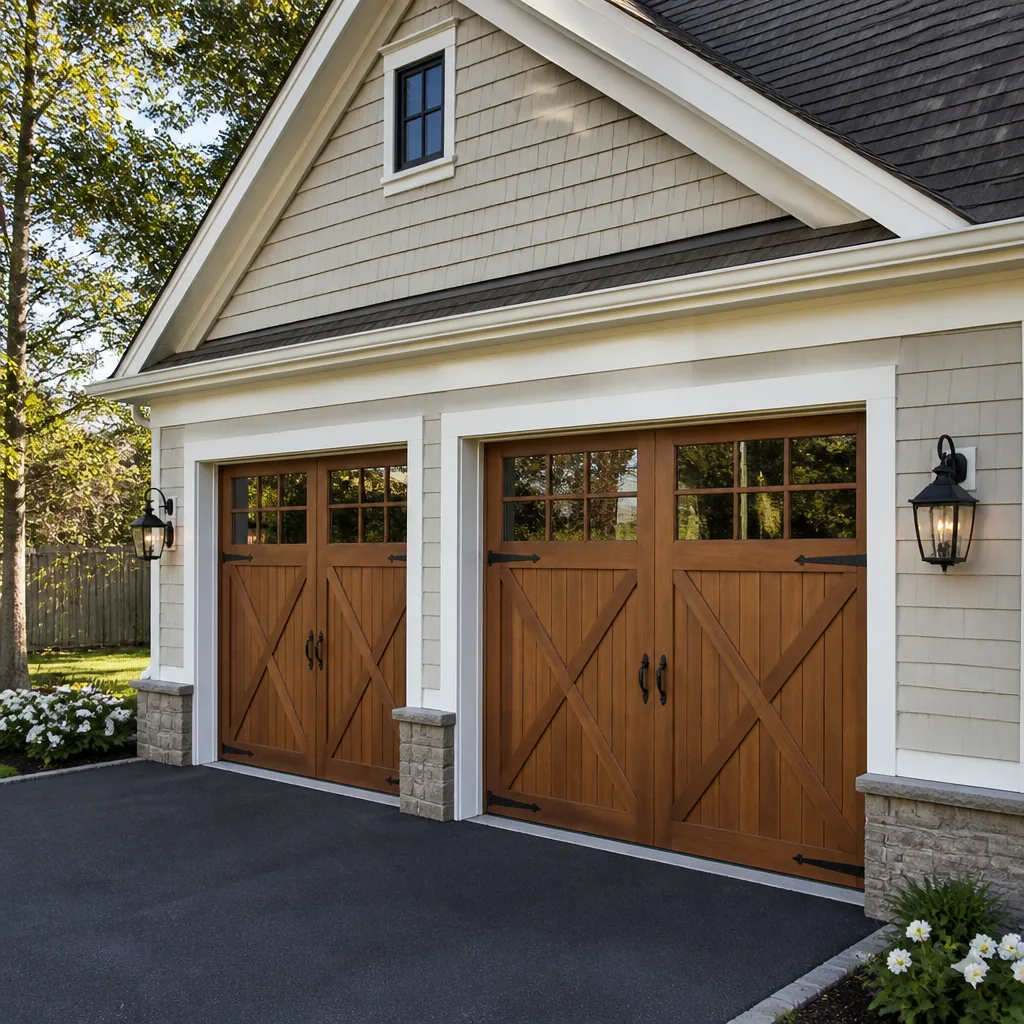 Carriage house
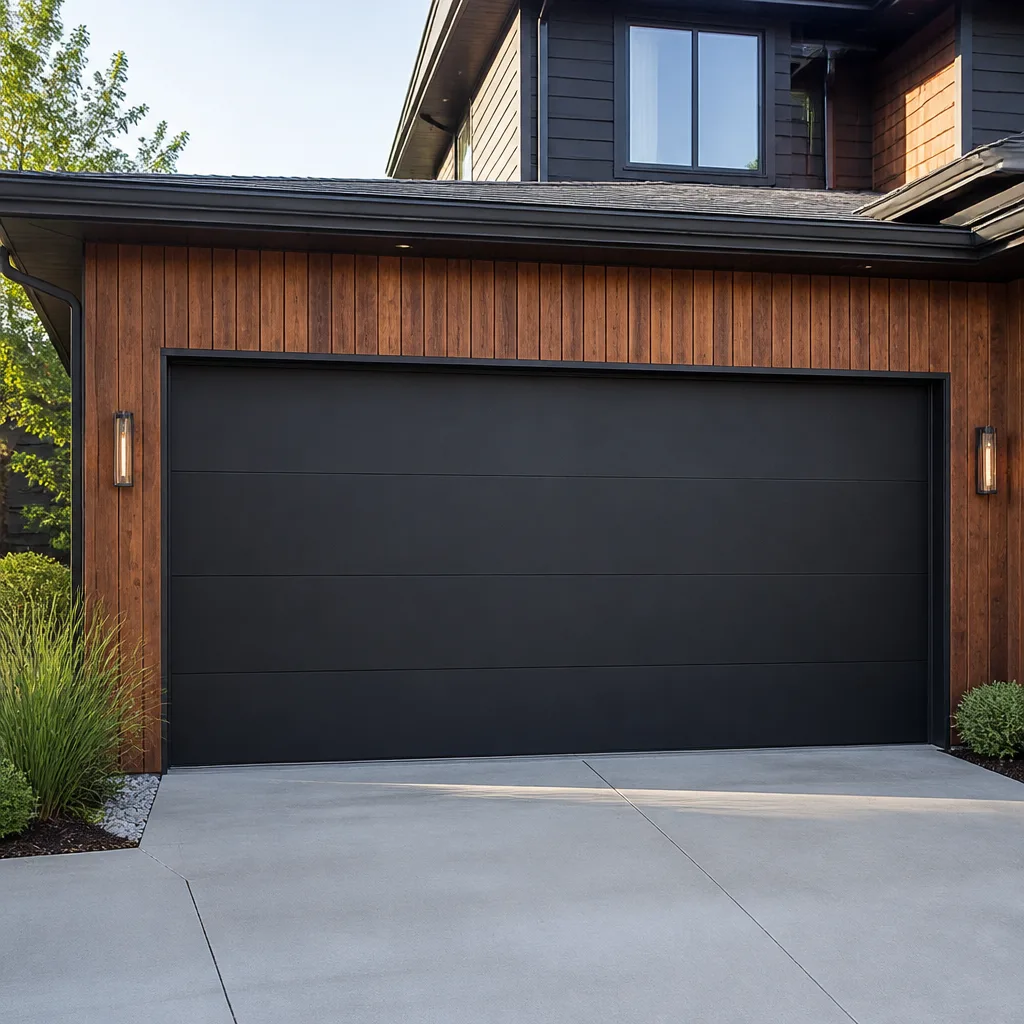 Modern flush
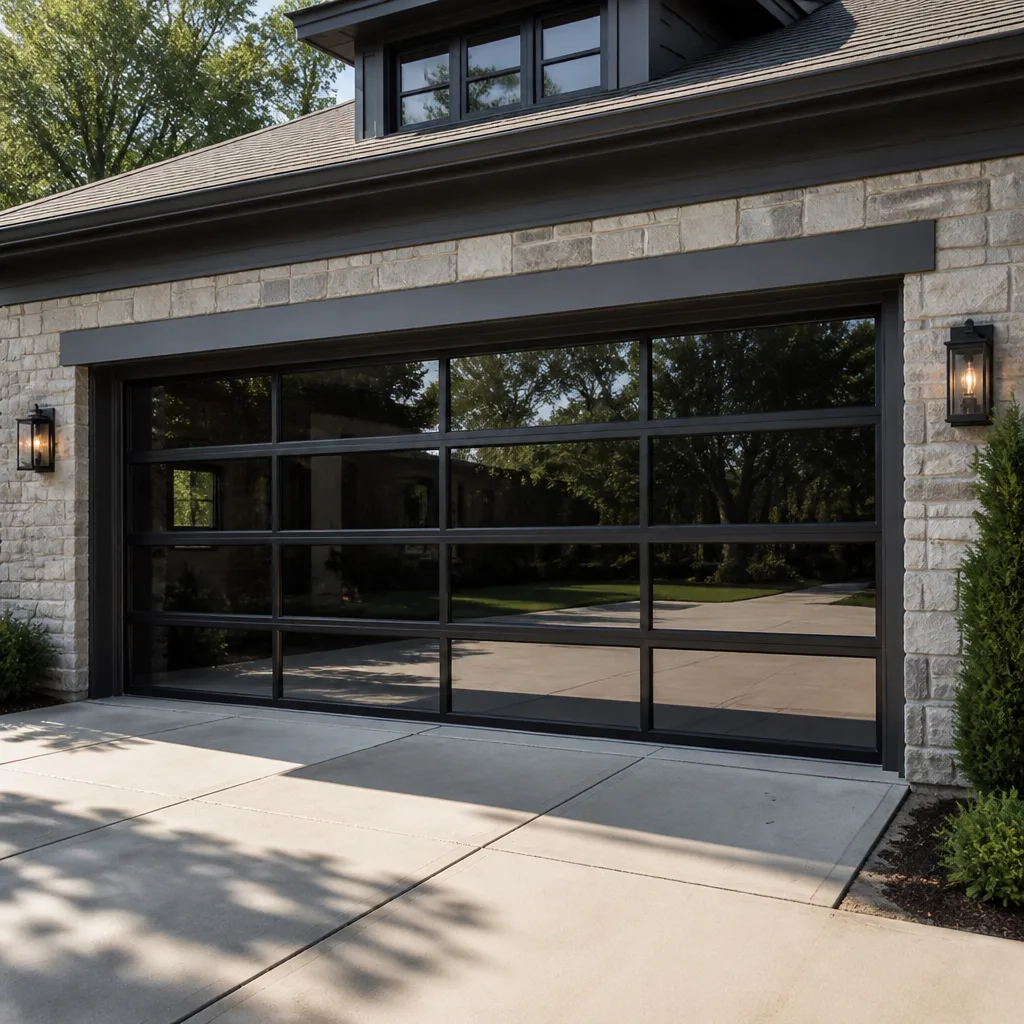 Full-view glass
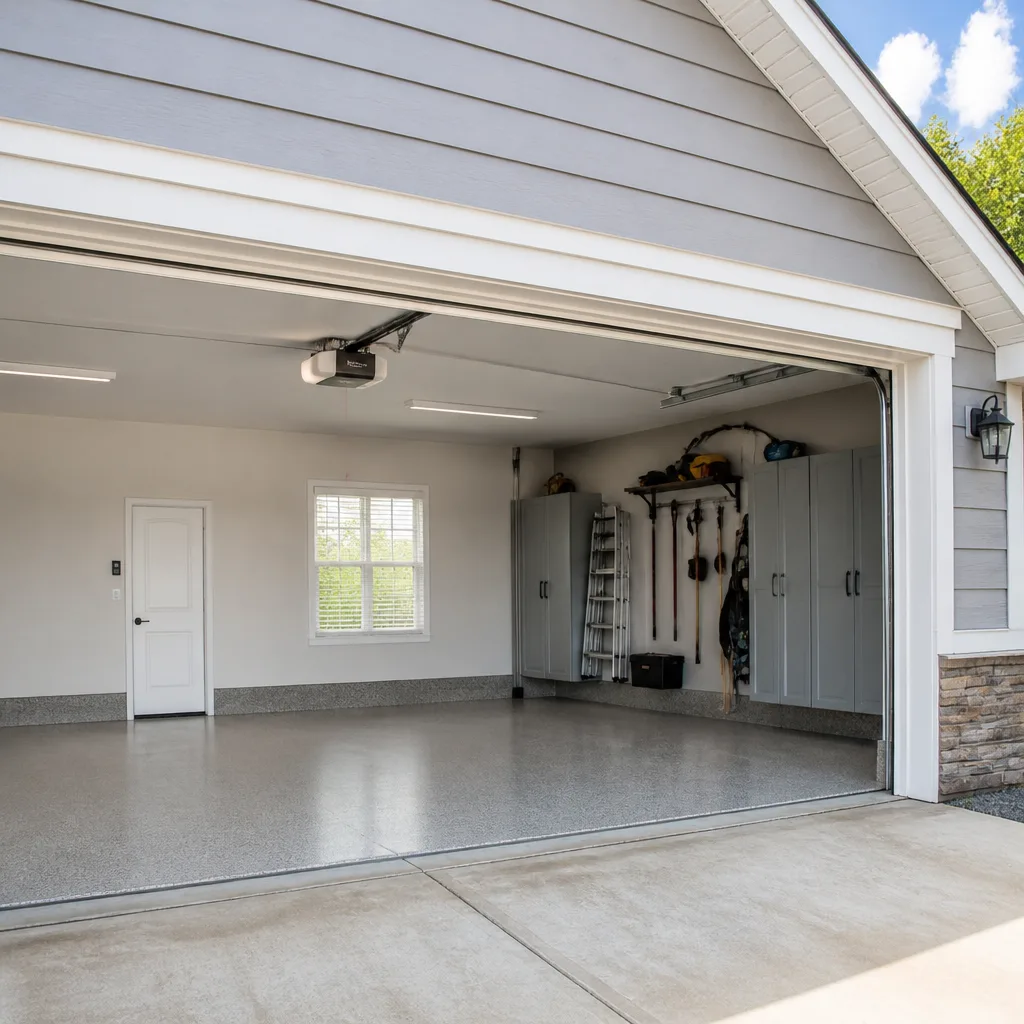 LiftMaster openers
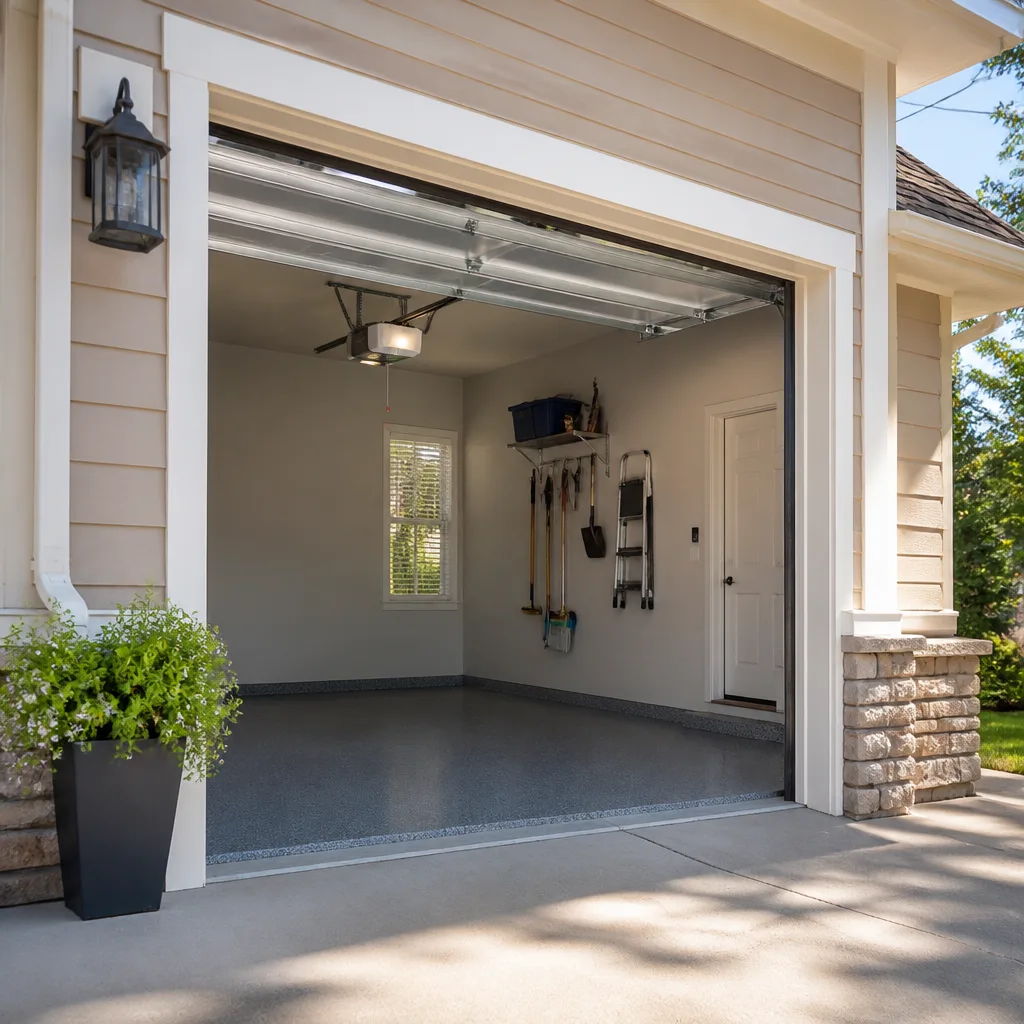 Chamberlain openers
Full 25-point door and opener safety check with every visit - springs, cables, rollers, tracks, and your LiftMaster or Chamberlain opener included
You get a price before we start. It does not change when the pro arrives.
Get your free estimateHow to Hire a Garage Door Contractor in Ellicott City: A Step-by-Step Guide
A contractor who installs garage doors three times a year and one who installs three a week can carry the same home improvement license. The credential alone won’t tell you which one understands the header reinforcement detail your Howard County inspection calls for, or which one can tell you by sound whether your opener’s travel limits are off. The interview questions do. This guide walks through the exact vetting process we’d want a neighbor in Ellicott City to use before signing anything: the diagnostic questions that separate a garage door specialist from an opportunistic generalist, the paperwork a real estimate must contain, and the red flags that show up in quotes around here all the time.
Quick Answer
To hire a garage door contractor in Ellicott City, verify Maryland home improvement licensing and current insurance through the state before anything else, then interview the contractor with brand-specific diagnostic questions and require a written, itemized estimate that names spring specs, opener model, cycle-life rating, and warranty terms separately. A real specialist answers the technical questions immediately and visits the door before quoting; a generalist deflects or prices over the phone. Ellicott City sits in a humid, freeze-thaw climate that stresses springs and wooden door frames, so local experience with those conditions matters as much as price.
Styles & brands we work with
- Raised-panel steel
- Carriage house
- Modern flush
- Full-view glass
- LiftMaster openers
- Chamberlain openers
Table of Contents
- Specialist or Generalist: Why the Distinction Matters Most
- Five Diagnostic Questions to Ask Before You Hire
- What a Legitimate Written Estimate Must Include
- Howard County Licensing and Insurance: Verify in Under Two Minutes
- Red Flags Unique to Garage Door Quoting
- How to Evaluate Warranties: Manufacturer vs. Labor
- Local Conditions That Should Shape Your Questions
- The Full Hiring Process, Step by Step
Specialist or Generalist: Why the Distinction Matters Most
The biggest hiring mistake Ellicott City homeowners make isn’t picking the wrong price. It’s never learning how to separate a dedicated garage door specialist from a handyman who quotes the job because it got added to his list this month. Both show up with a truck. Both will tell you they’ve “done plenty of these.” Only one of them has opened the same model of LiftMaster or Chamberlain opener often enough to diagnose a logic board fault by the way the light flashes rather than by replacing parts until the problem stops.
Here’s the practical difference, in our experience:
- A specialist works the whole lifecycle. A dedicated garage door contractor handles repair, opener work, spring replacement, and full installation as one continuous service line. You don’t need to hunt for a different company when a repair turns into a replacement.
- A specialist diagnoses by brand behavior. We work on eight of the most widely installed makes, including LiftMaster, Chamberlain, Genie, Clopay, Amarr, Wayne Dalton, Craftsman, and Raynor. Each has known quirks in its safety sensors, force settings, and spring geometry. That knowledge comes from repetition, not from a manual.
- A generalist subcontracts or improvises. When a handyman hits a torsion spring he’s unsure of, the job usually gets put off, quoted high to hedge the risk, or handled without the right winding tools.
If your door is broken now and you need the problem solved, our garage door repair page outlines how we approach the call. For hiring purposes, though, the key point is simple: experience with your specific brand and door type should be the first filter you apply, before price ever enters the conversation.
Five Diagnostic Questions to Ask Before You Hire
A true garage door specialist answers these five questions immediately and in plain language. A generalist deflects, changes the subject to price, or promises to “take a look and let you know.” Use them on the phone before you schedule anyone.
- “What type of spring system does my door have, and how can you tell?” Torsion springs mount on a shaft above the door; extension springs run along the sides. The two use different hardware, different safety precautions, and different replacement pricing. Anyone who can’t identify which one your door has from a photo or a description isn’t ready to quote it.
- “Is my opener’s model still supported, and can you get parts for it?” A specialist knows which Chamberlain, Craftsman, Genie, and Raynor units are current, which are legacy lines with available parts, and which are past the point of sensible repair.
- “What does Howard County require for a replacement door or opener swap?” Permit and inspection requirements for this kind of work come from the county’s building department, and the answer changes with the scope of the job. A contractor who’s worked here knows to ask the department and tells you what applies to your project. If they wave the question away entirely, treat that as a warning sign.
- “Will you look at the door before pricing it?” A spring quote without seeing the door is a guess. Track condition, drum wear, cable condition, and panel alignment all affect the final number.
- “What’s your callback policy if something isn’t right?” A specialist answers specifically: who comes back, what’s covered, and for how long. Vague reassurance is not an answer.
Compare each answer against what the written estimate later says. Consistency between the phone call and the paperwork tells you the contractor actually knows the job.
What a Legitimate Written Estimate Must Include
Anything you sign should contain four things, stated separately. A reputable garage door estimate isn’t a single lump-sum line that says “repair door.” It breaks out the parts, the model numbers, and the terms behind every dollar.
- Spring specs. For a torsion spring replacement, a real estimate names the wire gauge, the inside diameter, and the length or cycle-life of the springs being installed. If it says “standard spring,” ask what standard means and get the specification in writing. A paired spring replacement is priced as a pair, and you should see both springs accounted for.
- Opener model. If the job involves an opener, the estimate names the exact model (a specific LiftMaster or Chamberlain series, for example), not just a brand. Model determines features, safety sensors, and compatibility with your door’s weight and balance.
- Cycle-life rating. Springs are rated by how many open-and-close cycles they’re built for. A quote that doesn’t specify cycle-life gives you no way to compare springs side by side, or to understand why one option costs more.
- Warranty terms, stated separately. Manufacturer warranty on parts, labor warranty from the installer, and any exclusions should be itemized. See the warranty section below for how to read these.
One more line belongs on every estimate: the price you agree on before work starts is the price. No surprises at invoicing. Get that in writing too.
Howard County Licensing and Insurance: Verify in Under Two Minutes
Maryland regulates home improvement contractors at the state level, and you can check a contractor’s licensure and insurance status quickly. Here’s the two-minute verification routine:
- Get the contractor’s name and license number in writing before the visit, usually on the estimate or in the confirmation email.
- Look up the license through the Maryland Home Improvement Commission (MHIC), the state body that licenses home improvement contractors. A valid, active license and current general liability insurance should show up.
- Ask for the certificate of insurance and confirm it’s current. The coverage should be active for the date of your job, not just at the time the contractor first signed up.
- Check whether the contractor is licensed for the scope of your job – spring work, opener repair, and door installation all fall under home improvement, so the MHIC license should cover it.
Ellicott City sits within Howard County, and certain work – a new overhead door installation or an opener replacement can trigger local permit and inspection questions – is governed at the county level. The rule of thumb: before any work begins on a permit-worthy job, ask the contractor how they handle permitting and inspections, and confirm they’ll pull the permit through the county. Ask your city’s or county’s building department for the specific requirement on your project if the answer is unclear.
This verification matters more here than in many places, because the housing stock in Ellicott City spans older homes with tight garage clearances and newer builds with different siding and header details. A contractor who can’t prove insurance is a contractor whose mistake becomes your bill.
Red Flags Unique to Garage Door Quoting
Garage door work has its own vocabulary of warning signs. Watch for these:
- “Standard spring.” If the estimate can’t tell you the spring’s specifications, you have no way to know whether you’re getting a part built for daily use or a bargain-bin substitute with a short service life.
- No site visit before pricing. A firm number on a spring job quoted sight-unseen is a guess. The door’s track, drum wear, and cable condition change the total, and a real estimate accounts for all three.
- Same-day pressure to decide. Urgency is sometimes real – a snapped spring or an off-track door does need prompt attention, and emergency work is worth calling for. But high-pressure “sign now” tactics are about closing, not safety. A written estimate should stand long enough for you to compare it.
- No brand listed on the parts. A legitimate quote names the opens or door’s make and model. Generic parts language suggests generic parts.
- Warranty talk that skips the labor side. See below.
- A quote that changes after the visit but before work. That’s fine – a site visit genuinely can revise the number. What shouldn’t happen is a change after work begins without your agreement.
How to Evaluate Warranties: Manufacturer vs. Labor
Two things get confused in garage door warranties, and the confusion costs homeowners money. A manufacturer warranty covers the parts – the spring, the opener motor, the door panel. A labor warranty covers the installer’s workmanship on the day of the job. You need both, and you need to know what voids each.
Manufacturer warranty
Most manufacturer warranties on openers and doors are contingent on proper installation, correct spring pairing, and using the manufacturer’s parts where specified. If a mismatched spring is installed, or the opener’s force settings are pushed out of spec, the manufacturer warranty may be voided when a failure happens. A specialist quotes the correct parts because they know the warranty depends on it.
Labor warranty and callbacks
Labor warranty coverage is where companies actually differ. The terms worth reading carefully:
- What’s covered by the callback: Is the same repair covered, or just the parts? If the door doesn’t operate correctly the next morning, does the company come back at no charge?
- Duration. A labor warranty that runs longer than the manufacturer’s parts warranty on the same component is a sign of confidence. One that runs shorter is a sign of… something else.
- Exclusions. Normal wear, weather damage, or work on a component you didn’t hire them to fix is usually excluded. Read those sections before you compare quotes.
Ask each contractor directly: “If your repair fails within the first thirty days, do you come back at no charge, or is that a new call?” The answer tells you how the company stands behind its callbacks.
For spring-specific warranty details, our garage door spring repair page covers what a proper spring replacement includes. For opener warranty specifics, see garage door opener repair.
Local Conditions That Should Shape Your Questions
Ellicott City’s climate is not neutral to a garage door. Summers bring humidity that swells wooden door frames and stresses the balance of torsion spring systems. Winters bring freeze-thaw cycles that work at the seams of a stiffer door and can shift the metal track alignment. Spring and fall temperature swings force the opener to work a little harder on days when the lubricant has stiffened overnight. All of this means parts wear faster here than in a stable, dry climate – which is exactly why cycle-life rating on a replacement spring matters more than the sticker price.
In our experience, Ellicott City doors often need their track and hinge hardware checked a little more aggressively than the manual suggests, and springs replaced a little sooner. That’s not a pitch to replace parts early. It’s a reason to ask a prospective contractor how local weather affects their choice of spring and their maintenance recommendations. A specialist answers with specifics about cycle-life and hardware wear. A generalist says “it should be fine.”
Neighborhood-level awareness helps too: homes near the Patapsco River valley tend to run damper than ridge properties, and the trees that are so much a part of Ellicott City’s appeal drop debris that finds its way into door tracks and photo-eye sensors. When you interview a contractor, ask how they handle seasonal debris and insect intrusion into the opener housing. It’s the sort of detail a specialist has an answer for. Someone who services Ellicott City locks should too.
The Full Hiring Process, Step by Step
Here’s the sequence we’d recommend, in order, for any job in Ellicott City – from an emergency repair to a full door replacement:
- Diagnose the problem before you call. Does the door open at all? Does it open partway and stop? Is the opener motor running but the door not moving? Does it close and immediately reverse? Write down what you observe; it makes the diagnostic call faster.
- Call two or three garage door contractors, not general handymen, and ask the five diagnostic questions above. Compare how each answers.
- Request a site visit and a written estimate. For any job that isn’t a same-day emergency, expect a visit to look at the door before a firm number.
- Verify license and insurance through the Maryland Home Improvement Commission and confirm the certificate of insurance is current.
- Compare estimates line by line, not just on total price. Spring specs, opener model, cycle-life, and warranty terms are the four columns that matter.
- Confirm the callback policy in writing before work begins.
- Sign the estimate once you’re satisfied. The written estimate is your contract; the number on it is the price.
If you’re in the middle of an emergency – a spring snapped at 7 a.m., a door stuck open – skip steps two through four until after the fix. We offer emergency garage door service for exactly these situations. Once the door is safe, come back and run the full vetting process before the replacement goes in.
Common Mistakes to Avoid
- Hiring a handyman because the price was lower. A cheaper quote from a generalist often hides incomplete repairs, mismatched springs, and no warranty on the labor. You end up paying twice.
- Accepting a phone quote on a spring job. A firm price without seeing the door is guesswork, and the final invoice finds a way to cover the gap. Insist on a site visit before pricing.
- Skipping the license and insurance check. It takes two minutes through the Maryland Home Improvement Commission and protects you if a technician gets hurt on your property.
- Not asking about cycle-life on replacement springs. A low-cycle spring installed to save on the quote costs more over time. Ellicott City’s humidity and temperature swings make the difference worse.
- Ignoring the warranty’s labor side. A manufacturer warranty that covers the part but not the installer’s labor leaves you paying for the visit when something fails.
- Letting same-day pressure override the process. Real emergencies need fast action, but the decision can still be made with a written estimate in hand. “Sign now or the price goes up” is not an emergency; it’s a sales tactic.
- Failing to confirm permit handling on new installations. A new overhead door or opener swap may require a Howard County permit. Ask the contractor how they handle it, and ask the county building department for your project’s specific requirement.
See the difference
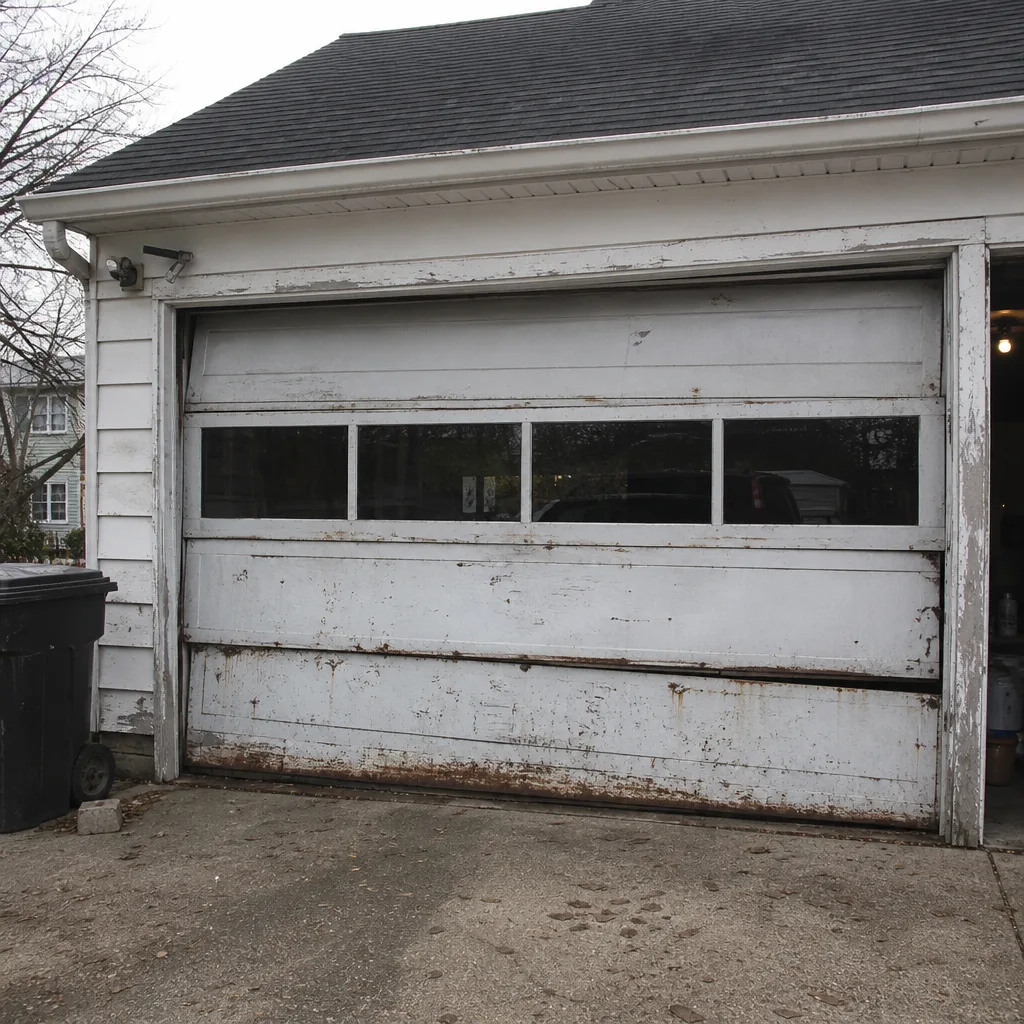 Before
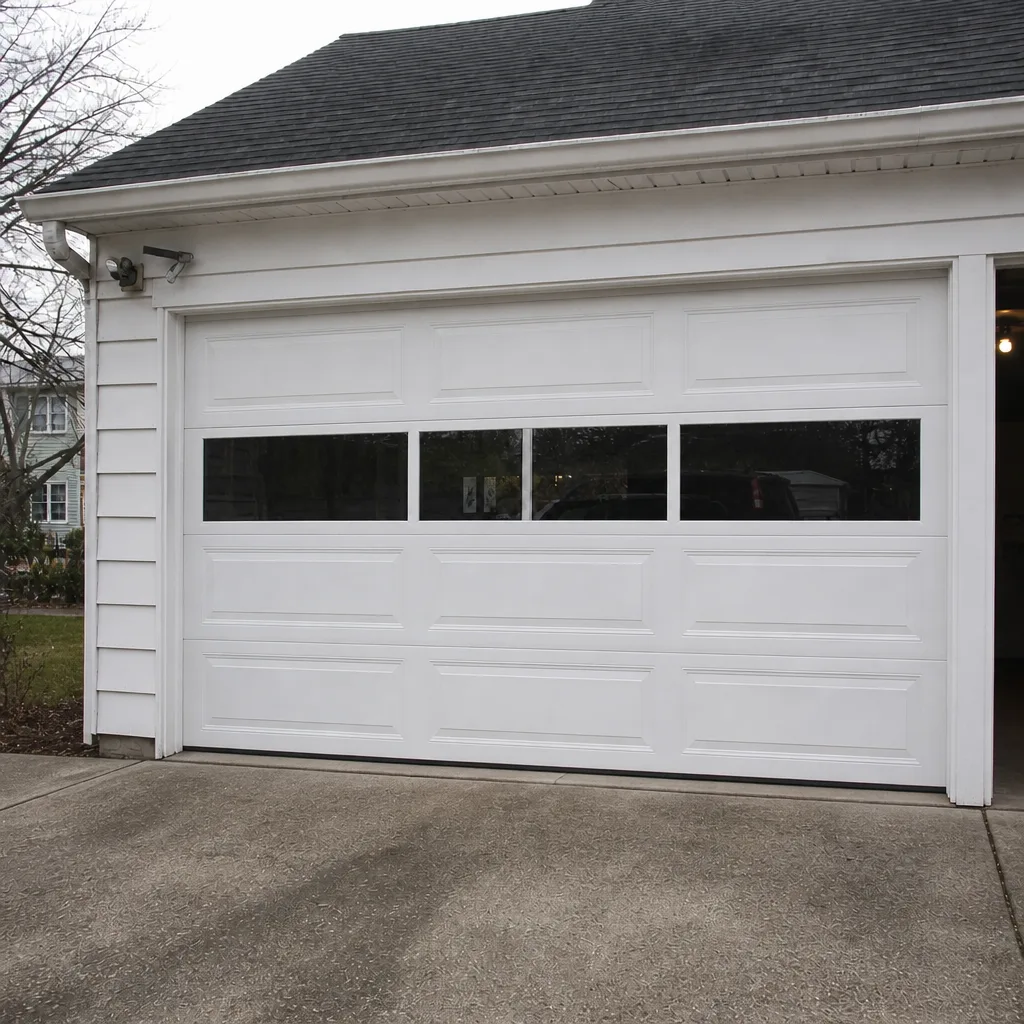 After
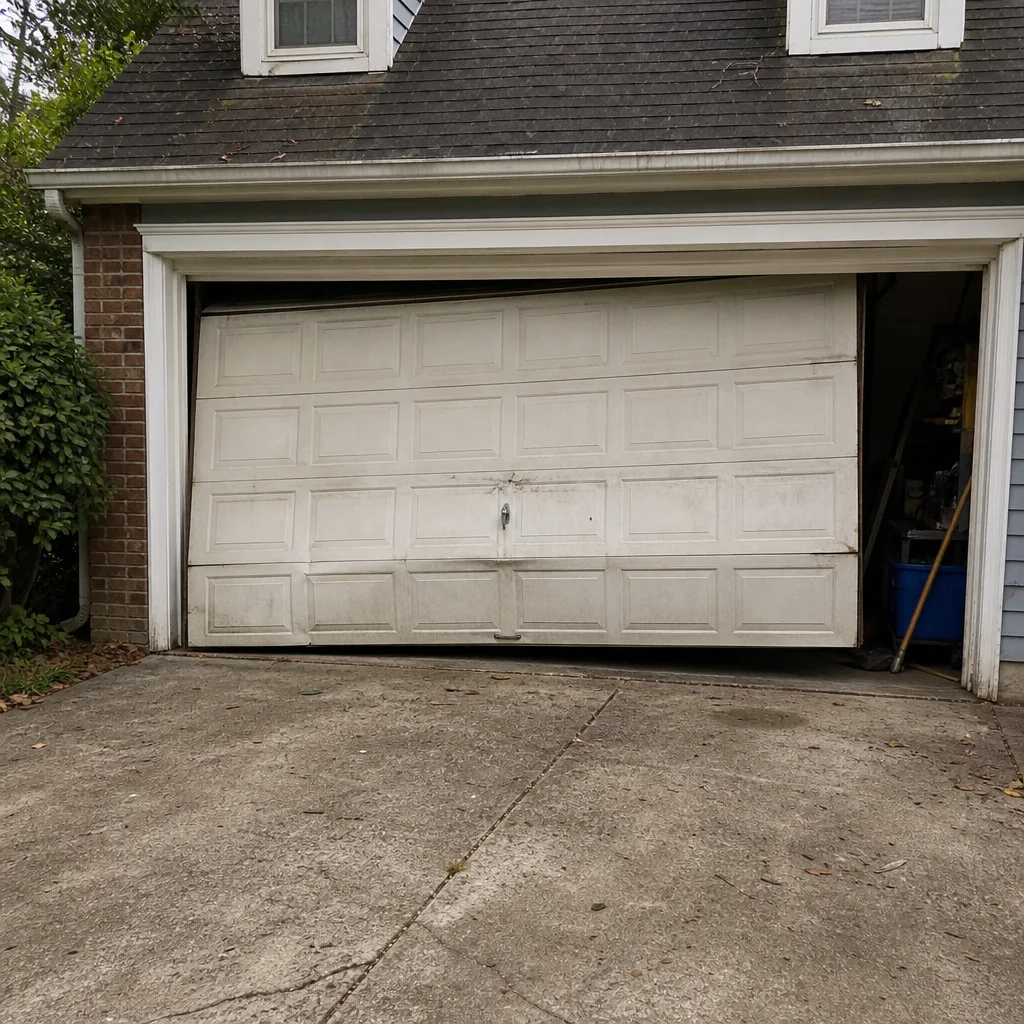 Before
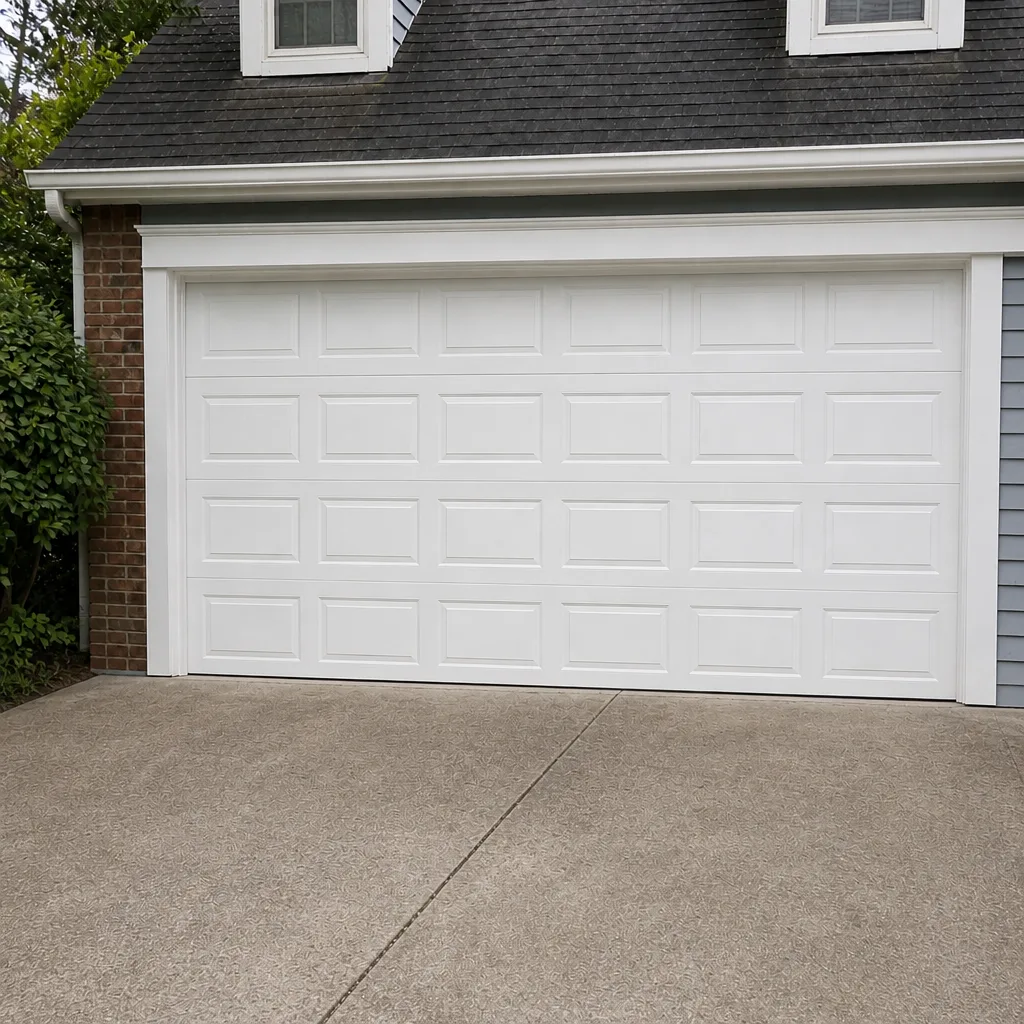 After
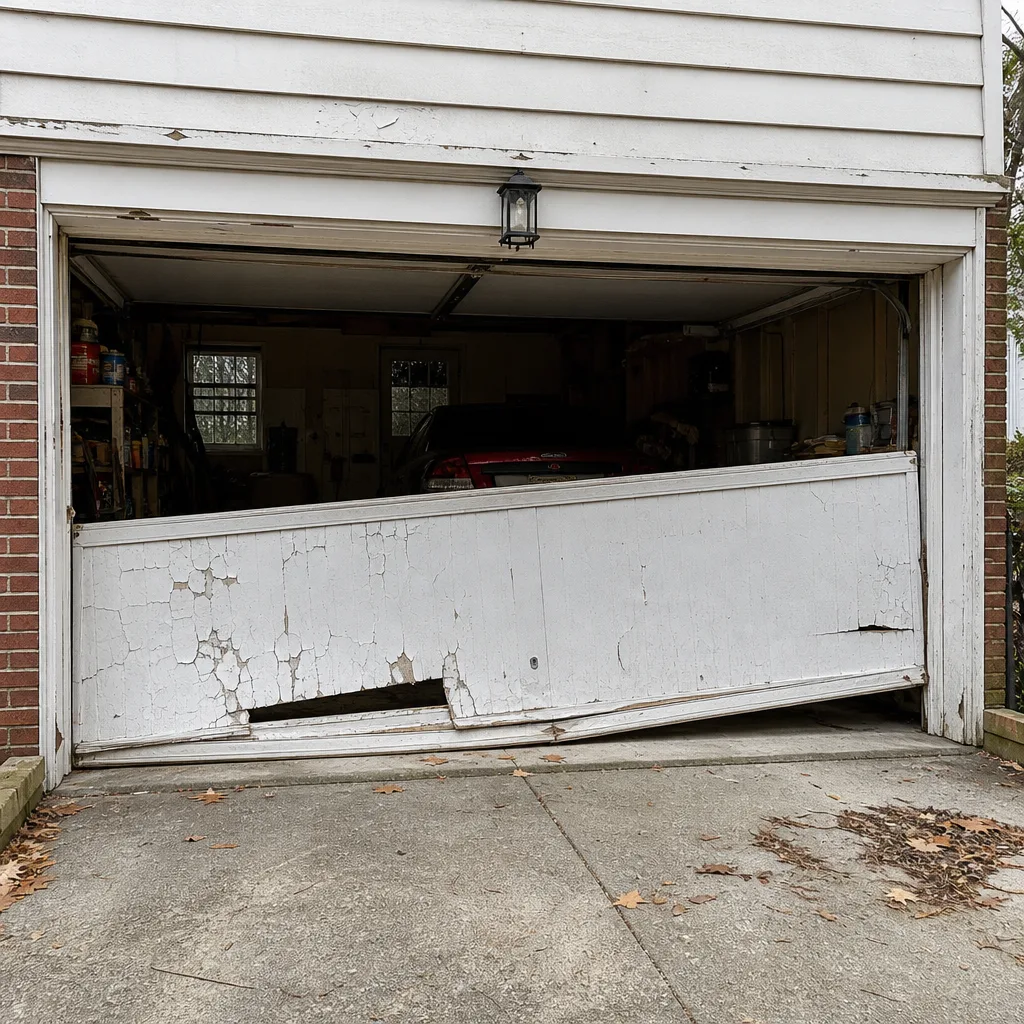 Before
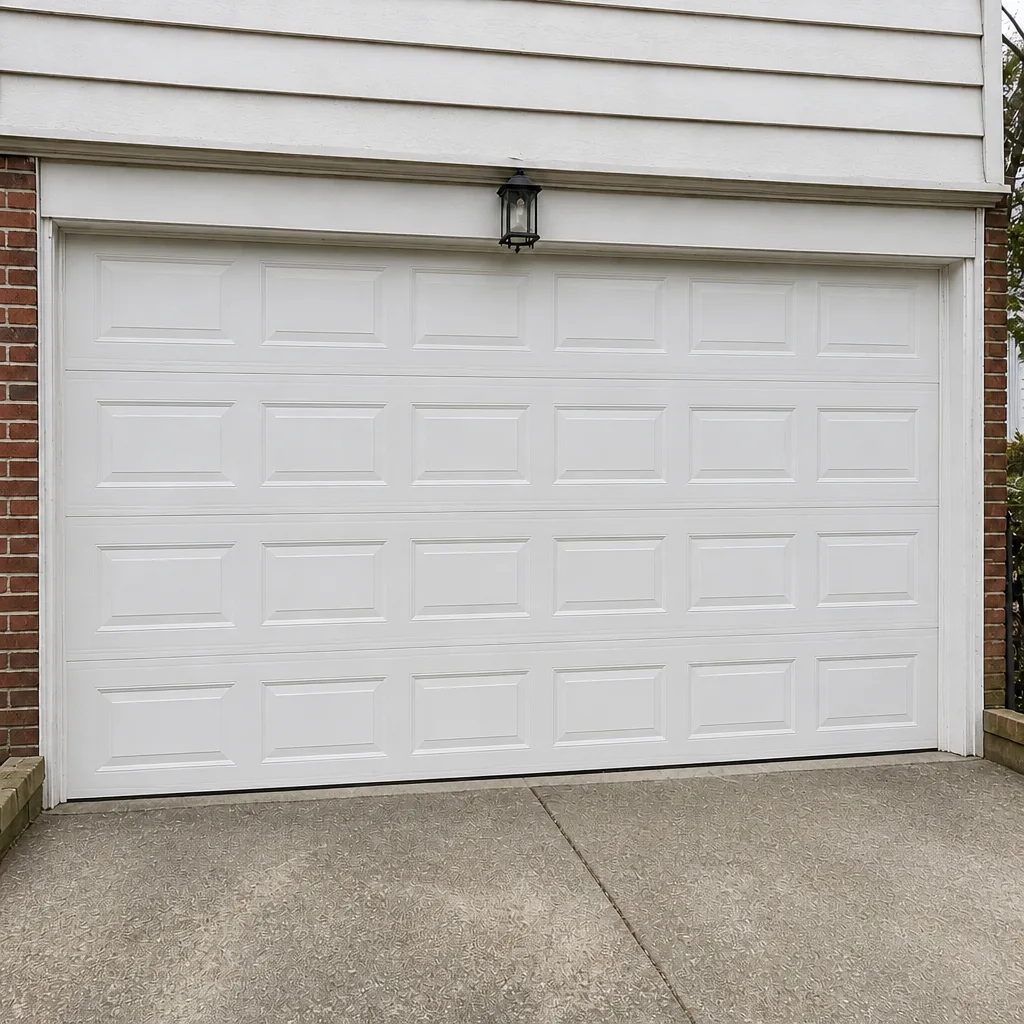 After
When to Call a Professional
Some garage door problems are safe to observe and unsuited for do-it-yourself handling. High-tension torsion springs and cables store enormous force; a snapped or slack cable, a spring that has visibly broken, or a door that’s off its tracks should be treated as a safety hazard and left to a trained technician. The same goes for electrical work on the opener motor or its wiring. Do not stand under a door that’s operating unevenly or that reverses at the bottom.
If your door won’t open at all, if the opener runs but the door doesn’t move, if you see a kink in the cable, if the door sags on one side, or if you hear a loud bang from above the door and the door then stops working – call a professional. Ellicott City Garage Door Repair Pros offers free estimates in Ellicott City – call (855) 840-2105. We work on eight of the most widely installed brands, handle emergency calls, and specialize in spring repairs, which are among the highest-risk service calls in the trade. Our technicians have up to 11 years of experience. Call before you touch the spring.
Frequently Asked Questions
Check the contractor’s license through the Maryland Home Improvement Commission (MHIC), which licenses home improvement contractors in the state. Ask for the license number and a current certificate of insurance before the visit, and look both up yourself. If a contractor can’t produce the numbers in writing, don’t hire them. Call (855) 840-2105 for a free estimate from a licensed and insured local pro.
Pricing varies with the spring type (torsion vs. extension), the cycle-life rating, and whether one or both springs are being replaced; a matched pair is usually replaced together and priced accordingly. The written estimate sets the final price, and it should be agreed before any work starts. Call (855) 840-2105 for an exact quote – estimates are free.
Yes, for anything beyond a simple emergency fix. A fir© number requires seeing the door’s condition: track wear, drum condition, cable condition, and panel alignment all change the price. A quote given over the phone on a spring job is a guess, and the difference tends to show up on the invoice. Call (855) 840-2105 to schedule a visit.
A manufacturer warranty covers the parts – the spring, the opener motor, or the door panel – while a labor warranty covers the installer’s workmanship. You want both in writing, with exclusions stated separately. Ask what voids each, and confirm whether a callback within the warranty period is free or billed as a new visit. Call (855) 840-2105 to ask about our terms.
Not safely for spring, cable, or opener work. Springs and cables are under high tension and can cause serious injury if handled by someone without the right tools and training. A handyman who occasionally quotes garage doors often doesn’t carry the specific parts or know the brand-specific safety procedures. Call a dedicated specialist instead – (855) 840-2105.
Look for a contractor familiar with the brands already installed in your home. We work on eight of the most widely installed makes, including LiftMaster, Chamberlain, Genie, Clopay, Amarr, Wayne Dalton, Craftsman, and Raynor, which means we diagnose by the specific behavior of your model rather than guessing. If your brand isn’t on the list, call us at (855) 840-2105 and we’ll tell you what we can do.
The Bottom Line
Hiring a garage door contractor in Ellicott City comes down to four things: verify the license and insurance through the Maryland Home Improvement Commission, interview the contractor with diagnostic questions specific to spring systems and opener compatibility, require a written estimate that itemizes spring specs, opener model, cycle-life rating, and warranty terms, and confirm the callback policy in writing before work begins. A true specialist answers the technical questions immediately and inspects the door before pricing. A generalist deflects, quotes over the phone, and leans on price. Ellicott City’s humid summers and freeze-thaw winters make parts quality and local experience worth the extra effort to verify.
If you’d rather skip the comparison shopping and talk to a dedicated garage door specialist, Ellicott City Garage Door Repair Pros offers free estimates, emergency service, and the full lifecycle from opener work to full installation. Call (855) 840-2105 today and get a written, itemized price before any work starts.
Start your search at Ellicott City Garage Door Repair Pros or call us directly to schedule.
Written by the team at Ellicott City Garage Door Repair Pros.